
Last updated: October 3, 2026

How To Use
This calculator estimates the cost of transporting your pet. Enter your pet's type, weight, distance, transport method, and service tier to get an estimated cost range. Actual costs may vary based on provider, route, and additional services.
Quick Steps
- 1 Select your Pet Type (dog or cat).
- 2 Enter your Pet's Weight in pounds.
- 3 Enter the Distance in miles.
- 4 Select the Transport Method (ground or air).
- 5 Select the Service Tier (economy, standard, or premium).
- 6 For air transport, optionally enter Crate Dimensions (affects cost).
- 7 Click the Calculate button to see the cost estimate.
Pet Transport Cost Calculator
Fill Out The Fields Below
Our pet transport cost calculator gives you a realistic cost range for moving a dog or cat, whether you are relocating across the state or shipping a pet across the country. Pricing depends on pet size, distance, transport method, and the level of service you choose, and this guide explains how each of those factors shapes your final quote so there are no surprises.
How the Pet Transport Cost Calculator Works
The calculator starts with your pet type and weight, then layers in the distance of the move and your chosen transport method and service tier. Heavier pets need larger crates and more handling, longer distances add fuel, time, and overnight stops, and air travel carries airline fees that ground transport does not. The tool combines these into a low-to-high estimate so you can budget before you start contacting providers.
Treat the result as a planning figure rather than a fixed quote. The most reliable way to confirm a price is to share your pet's weight, crate size, pickup and drop-off addresses, and travel dates with two or three providers and compare their written quotes against the range you see here.
What Affects the Cost of Transporting a Pet
No two pet moves are priced the same way, but the same handful of variables drive almost every quote. Understanding them helps you see why estimates differ between providers.
- Pet size and weight: larger pets need bigger crates, which raises both ground handling and airline cargo fees.
- Distance: cost rises with mileage, and very long routes may require overnight stops or multiple drivers.
- Transport method: ground transport is cheaper per mile, while air transport costs more but is far faster.
- Service tier: economy covers basic transport, while standard and premium add care, updates, and priority handling.
- Timing and route: peak season, remote pickups, and tight deadlines can all add to the base price.
Ground Transport vs. Air Transport
The biggest single decision in any pet move is whether to ship by road or by air. Each suits a different combination of distance, budget, and timeline.
- Ground transport: most affordable for short and medium distances, with door-to-door pickup, but slower and less practical across very long routes.
- Air transport: the fastest option for long distance and cross-country moves, but more expensive once airline cargo fees, health paperwork, and airport handling are added.
- Hybrid routes: some providers combine ground pickup with a flight, which can balance cost and speed for hard-to-reach locations.
As a rule of thumb, ground transport tends to win on price under a few hundred miles, while air transport becomes more compelling once a move stretches across regions or has a firm deadline.
Average Pet Transport Cost by Distance
How much does it cost to ship a pet? The table below shows typical cost ranges for a medium-sized dog by distance and method. Ground transport is priced per mile and wins on shorter routes, while air transport costs more but saves time on long hauls. Use the calculator above for an estimate matched to your pet's weight, method, and service tier.
| Distance | Ground transport | Air transport | Typical use |
|---|---|---|---|
| Under 100 miles | $200 to $500 | Rarely used | Local or same-region move |
| 100 to 500 miles | $400 to $900 | $700 to $1,500 | Regional relocation |
| 500 to 1,000 miles | $700 to $1,500 | $1,000 to $2,500 | Long regional move |
| Cross-country (1,500+ miles) | $1,000 to $2,000+ | $1,500 to $4,000+ | Coast-to-coast or time-sensitive |
Ranges are planning estimates for a medium-sized dog and vary with crate size, season, and service tier. Larger or heavier pets and premium service sit at the higher end. For a detailed coast-to-coast breakdown, see our cross-country pet transport cost guide.
International and Specialist Pet Transport
Moving a pet overseas costs more than a domestic move because of flight fees, import paperwork, health certificates, and, for some countries, a quarantine period. International moves commonly run from around $1,000 to $6,000 or more depending on the destination, the airline, and whether you use a professional pet relocation service to handle the documents. Book early, because some vaccinations, tests, and paperwork must be completed on a fixed timeline before travel.
To compare specific services, our related tools break the numbers down further. Estimate a full door-to-door service with the pet relocation services cost calculator, get a quick figure with the pet shipping cost estimate, or plan a coast-to-coast move with the cross-country pet transport cost tool.
Example Pet Transport Cost Estimates
These worked examples show how pet size, distance, and method change the final figure. They are illustrative only, so run your own numbers in the calculator.
- Small cat, 80-mile ground move, standard service: a short local relocation that typically lands in the lower few hundred dollars.
- Medium dog, 600-mile ground move, standard service: a longer regional drive that usually falls in the high hundreds to low thousands.
- Large dog, cross-country air transport, premium service: a fast, long-distance move where airline fees and priority handling push the total to the higher end of the range.
How to Save Money on Pet Transport
Pet shipping is a real expense, but a few practical steps can bring the cost down without compromising your pet's safety.
- Get written quotes from at least three providers and compare what each price actually includes.
- Choose ground transport over air when the distance and timeline allow it.
- Be flexible on travel dates and avoid peak holiday periods when demand and prices rise.
- Provide your own correctly sized, airline-approved crate where the provider allows it.
- Consider shared or consolidated routes, where a provider transports several pets along the same path.
Preparing Your Pet for Transport
A smooth, low-stress journey depends on good preparation as much as the price you pay. A little planning keeps your pet comfortable and avoids last-minute fees.
- Book a vet check and confirm vaccinations and any health certificates the route requires.
- Acclimate your pet to its crate in the weeks before travel so it feels familiar.
- Attach clear ID and contact details to the crate, and microchip details should be up to date.
- Follow the provider's guidance on feeding and water before pickup to reduce travel sickness.
- Pack a familiar blanket or toy to help your pet settle during the journey.
Frequently Asked Questions About Pet Transport Costs
A few quick answers to the questions owners ask most when budgeting for a pet move.
- Is pet transport worth the cost? For long distance or cross-country moves, professional transport is often safer and less stressful than driving your pet yourself.
- Does pet insurance cover transport? Most standard pet insurance does not cover relocation, so budget for transport as a separate expense.
- Can I track my pet during transport? Many standard and premium services include updates and check-ins along the route.
- How far in advance should I book? Booking two to four weeks ahead gives more choice of dates and providers, especially in peak season.
FAQs
Frequently Asked Questions
How accurate are these cost estimates?
These estimates are based on industry averages and may vary significantly based on the specific provider, route, time of year, and additional services required. Always get quotes from multiple providers for accurate pricing.
What factors affect pet transport costs?
Pet transport costs are influenced by pet size/weight, distance, transport method (ground vs air), service tier, time of year, and any special requirements such as medical needs or special handling.
What is the difference between ground and air transport?
Ground transport is typically more affordable but takes longer, while air transport is faster but more expensive. Ground transport is suitable for shorter distances, while air transport is better for long distances or time-sensitive moves.
What do the service tiers mean?
Economy service provides basic transport, standard service includes additional care and updates, and premium service offers the highest level of care, frequent updates, and priority handling.
How much does pet transport cost on average?
Average pet transport costs range from $200-$500 for short distances (under 100 miles) to $500-$2000+ for long distances or cross-country moves. Air transport typically costs 2-3x more than ground transport.
Other Calculators for Dogs

Dog Calorie Calculator by Breed — Free Daily Calorie & Feeding Tool
Free dog calorie calculator by breed. Find out exactly how many calories your dog needs per day by weight, breed, age, and activity level. Get instant kcal and feeding portions for Labradors, German Shepherds, Chihuahuas, and every breed in between. Try it now.

Puppy Calorie Calculator | Puppy Nutrition Calculator by Breed - Free Tool
Free puppy calorie calculator and nutrition tool. Calculate your puppy

Senior Dog Calorie Calculator - Free Daily Calorie Tool
Free senior dog calorie calculator. Calculate your older dog\
Other Pet Transport Calculators
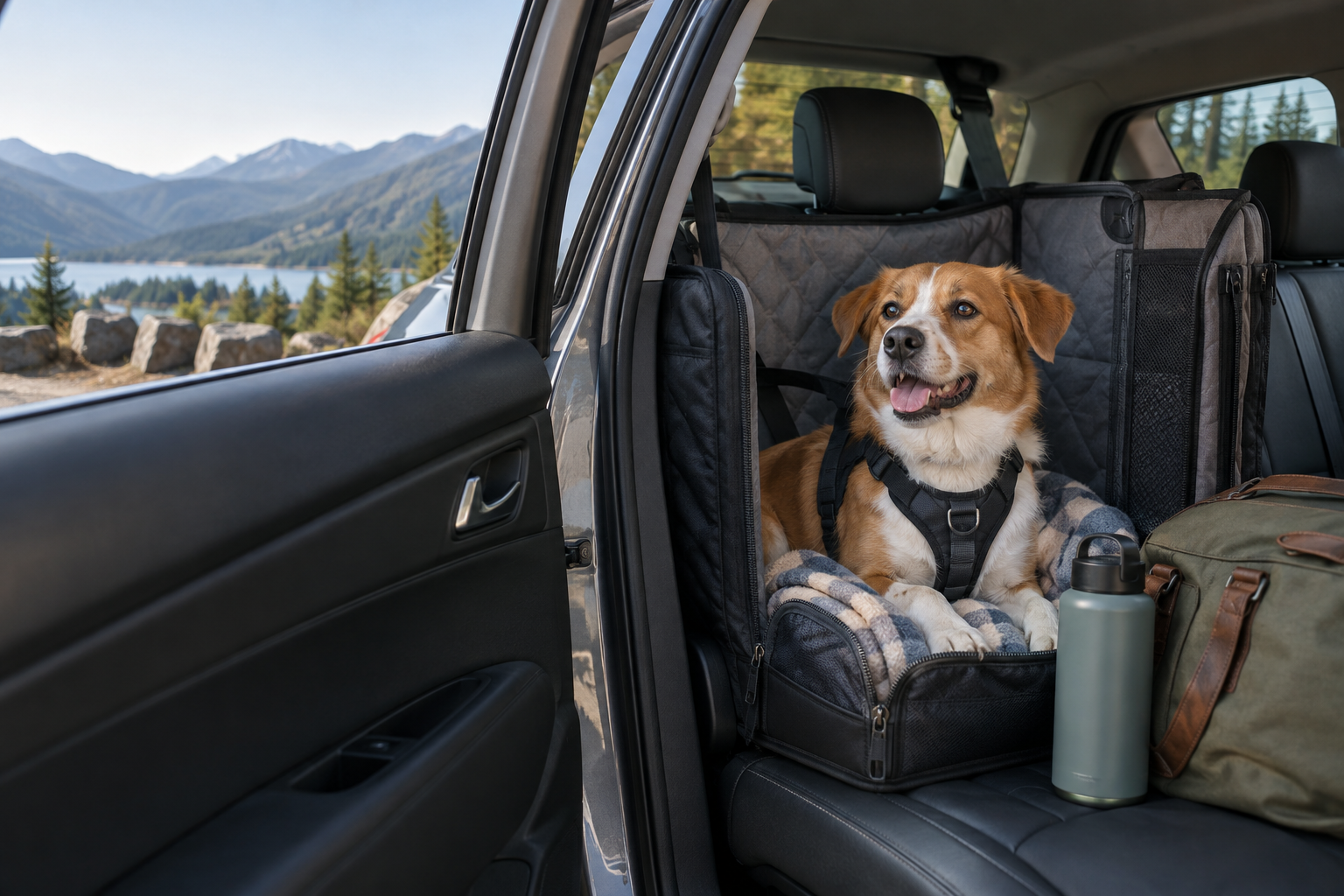
Cross Country Pet Transport Cost | Estimate Long Distance Pet Moving Costs - Free Tool
Free cross country pet transport cost calculator. Estimate the cost and duration of transporting your pet across states. Compare ground vs air transport options for long distance moves.

Pet Relocation Services Cost | International Pet Moving Cost Calculator - Free Tool
Free pet relocation services cost calculator. Estimate the cost of relocating your pet internationally, including quarantine, documentation, and customs clearance services.
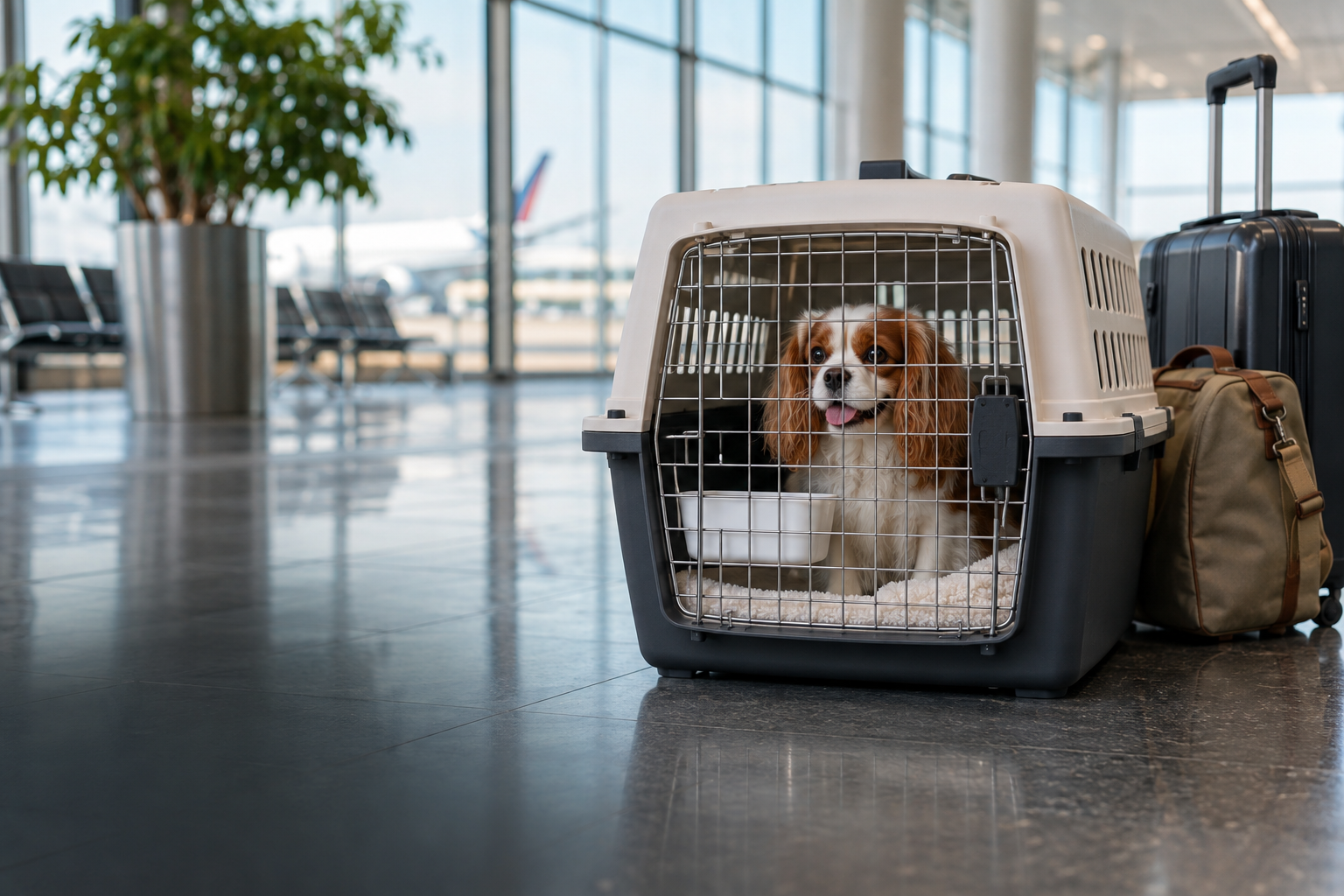
Pet Shipping Cost Estimate - Free Dog & Cat Transport Calculator
Free pet shipping cost estimate. Calculate what it costs to ship your dog or cat by weight, distance, and method, with air, ground, and international examples. Compare standard, express, and overnight rates instantly.
Free dog printables
Keep these dog care guides handy
A rotating selection of practical dog guides chosen from our free printable library.Dog Feeding Guide
Portion guidance by weight, age, and life stage.
Dog Quality of Life Checklist
Track the HHHHHMM quality-of-life measures.
Dog Pregnancy Timeline
A week-by-week whelping calendar and checklist.