
Last updated: October 3, 2026
Dog Weight Guides
Keeping your dog at a healthy weight is one of the simplest ways to extend their life and improve their quality of life. Our dog weight guides and tools help you assess your dog's body condition, understand ideal weight ranges by breed, compare your dog's size against other pets, and take action if your dog is over or underweight. Start with the guides below, then use our free calculators to check your dog's numbers and build a plan.
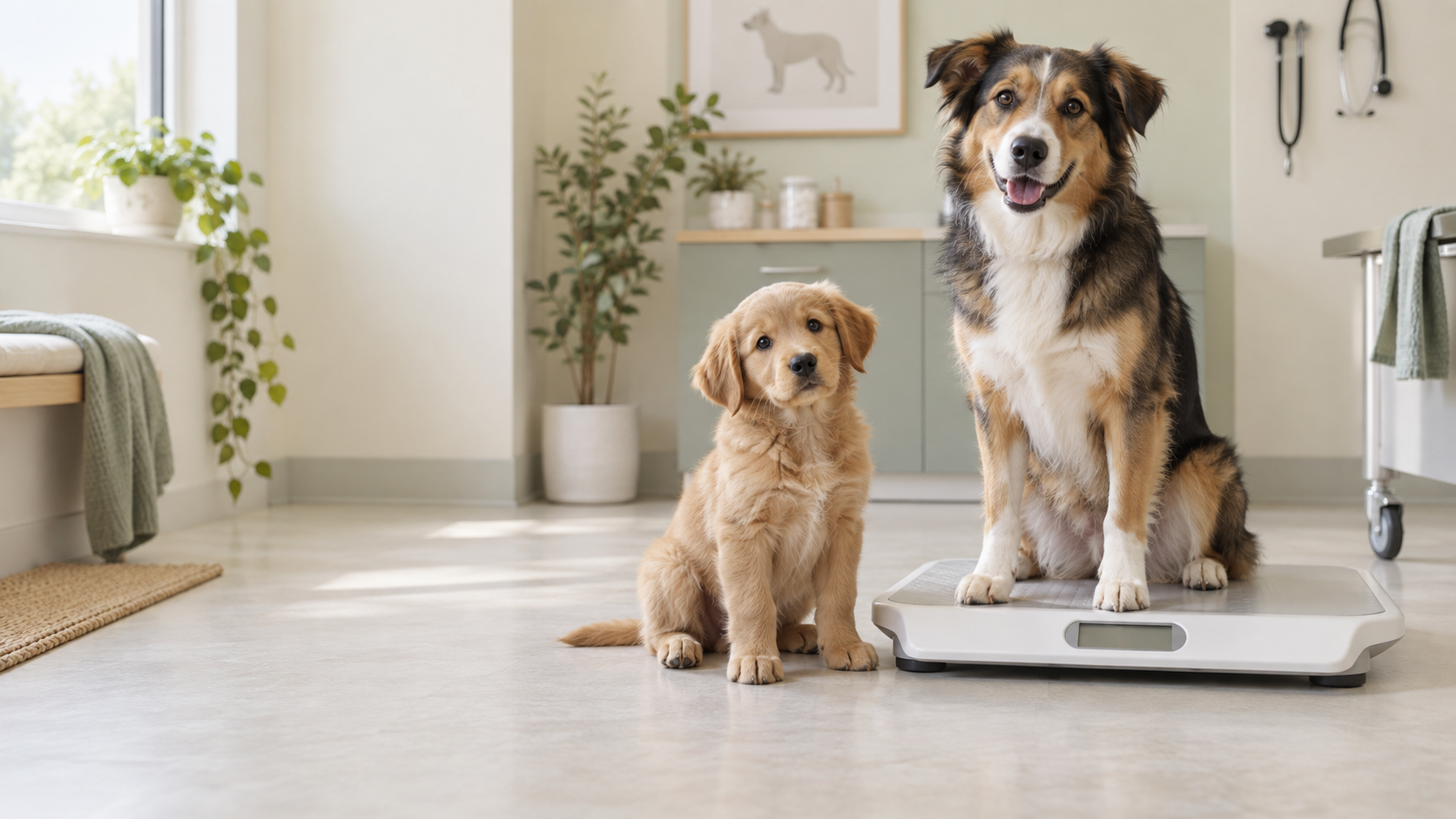
Worried about a symptom, not just weight?
Our Dog Health guides cover common concerns like worms, fleas, and upset stomachs in plain language, with the red flags that mean it is time to call your vet.
Explore Dog Health GuidesUnderstanding Your Dog's Weight & Body Condition
Essential knowledge for every dog owner
Body Condition Scoring
Learn to assess your dog's body condition using the veterinary-standard 1-9 BCS scale. This hands-on method is more accurate than weight alone because it accounts for breed, build, and muscle mass differences.
Breed Weight Ranges
Understand typical weight ranges for your dog's breed while recognizing that individual variation is normal. Body Condition Score combined with weight gives the most complete picture of your dog's health status.
Weight-Related Health Risks
Learn how excess weight affects your dog's joints, heart, breathing, and lifespan. Over 50% of dogs are overweight or obese, making weight management one of the most impactful health interventions for dogs.
Actionable Next Steps
Our guides connect directly to our calculators so you can take action. From assessing body condition to calculating calorie needs and creating weight loss plans, everything you need is here.
Explore Our Dog Weight Guides
In-depth resources for assessing and managing your dog's weight
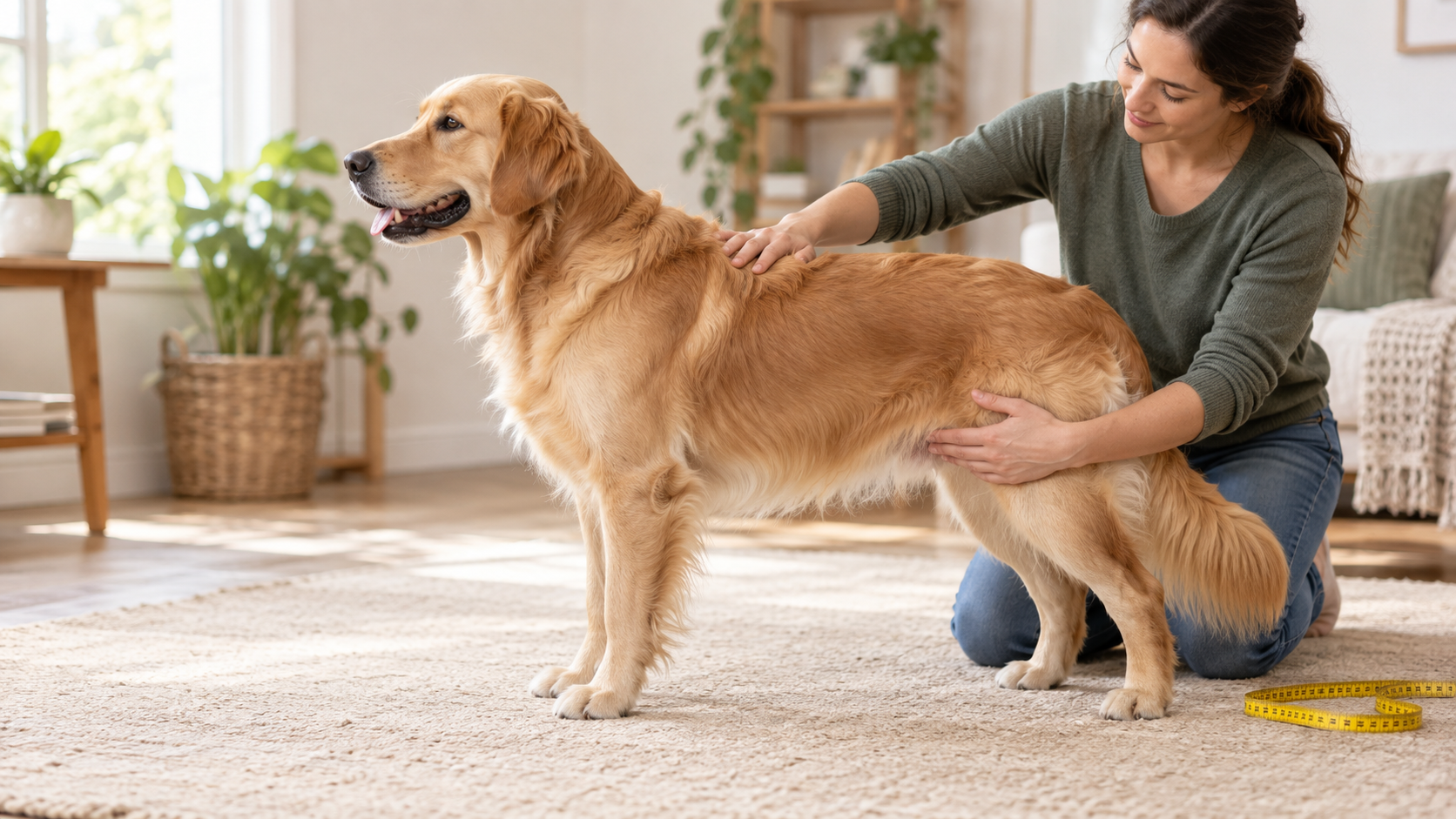
Dog Body Condition Score Guide
Learn how to assess your dog's body condition using the veterinary-standard 1-9 BCS scale. Our visual and hands-on guide walks you through feeling your dog's ribs, assessing their waist, and determining if they're underweight, ideal, or overweight.
Read the BCS Guide →Dog Training Treats Guide
How to choose the best training treats, safe treat calorie limits by dog size, and how to fit rewards into your dog's daily calorie allowance using the 10 percent rule, so training never causes weight gain.
Read the Treats Guide →Dog vs Cat Weight Comparison
Wondering how your dog's weight stacks up against a cat, or how dogs and cats compare across size classes? This guide breaks down typical weight ranges side by side with a reference table, so you can put your pet's numbers in context.
Compare Dog & Cat Weights →Fat Dog? How to Tell and What to Do
Is your dog overweight? Learn the rib, waist, and tummy-tuck checks vets use, the health risks of excess weight, how much to feed for safe weight loss, and simple exercise tips to get your dog back to an ideal body condition.
Read the Overweight Dog Guide →Cocker Spaniel Dog Food
How to choose the right diet for a Cocker Spaniel. What to look for on the label, the breed's tendency toward weight gain and ear and skin issues, and how feeding needs change from puppy to senior.
Read the Cocker Spaniel Food Guide →Dog Food for Australian Shepherds
A feeding guide for this high-energy herding breed. The protein and fat levels active Aussies need, how to match calories to real activity, joint support, and how portions shift by life stage.
Read the Aussie Food Guide →Air Dried Dog Food Explained
What air dried dog food is, how it compares to kibble, raw, and freeze-dried, how to transition your dog onto it, and why this calorie-dense food means feeding a smaller portion by weight.
Read the Air Dried Food Guide →Separation Anxiety in Dogs
The signs of separation anxiety, why it develops, and a practical, humane plan to help. Desensitization, counter-conditioning, enrichment, and when to bring in a vet or certified behaviorist.
Read the Separation Anxiety Guide →Hypoallergenic Dogs
What hypoallergenic really means for dogs, plus a table of popular low-shedding breeds with typical weight ranges and size classes. No dog is truly allergen-free, but some suit allergy sufferers better.
Read the Hypoallergenic Guide →Dog Crate Size Guide
How to choose the right crate by weight and breed. Measure your dog, match it to a crate size with our chart, and size up correctly for a growing puppy with a divider.
Read the Crate Size Guide →Dog Bed Size Guide
Find the right bed size for your dog's weight, breed, and sleep style. A weight-to-size chart, tips on measuring, and when to choose an orthopedic bed for seniors.
Read the Bed Size Guide →Breed Weight Calculators
Find breed-specific healthy weight ranges and growth charts for popular breeds including the Labrador, Golden Retriever, German Shepherd, French Bulldog, Pomeranian, and more. Each calculator shows ideal weights by age and sex.
Browse Breed Calculators →Related Dog Calculators
Use these free tools alongside our guides for a complete picture of your dog's health
Dog Weight Calculator
Check if your dog is at a healthy weight for their breed and size.
Dog BMI Calculator
Calculate your dog's Body Mass Index for a quick health assessment.
Dog Weight Loss Calculator
Create a safe, personalized weight loss plan for your dog.
Dog Crate Size Calculator
Find the right crate size from your dog's weight or measured length.
Key Topics Covered
Everything you need to know about dog weight management
The BCS Scale Explained
Understand the 1-9 Body Condition Score scale used by veterinarians worldwide. Learn the visual and hands-on cues for each score, from emaciated (1) to morbidly obese (9), and what the ideal range (4-5) looks and feels like.
Weight vs. Body Condition
Why weight alone doesn't tell the full story. A muscular dog may weigh more than expected but still be at ideal condition. Learn why Body Condition Score is the gold standard for assessing if your dog is at a healthy weight.
Risk Factors for Obesity
Certain breeds, neutered/spayed dogs, and senior dogs are more prone to weight gain. Understanding risk factors helps you monitor your dog proactively and adjust diet and exercise before weight becomes a problem.
When to See Your Vet
Learn when weight changes warrant a veterinary visit. Sudden weight loss, inability to lose weight despite diet changes, or weight gain despite normal eating can all signal underlying health issues that need professional attention.
Frequently Asked Questions About Dog Weight
Common questions about dog body condition and weight management
What is a dog Body Condition Score (BCS)?
Body Condition Score is a standardized scale (1-9) used by veterinarians and pet owners to assess a dog's body fat and overall condition. A score of 4-5 is considered ideal. Scores of 1-3 indicate underweight, while 6-9 indicate overweight to obese. Our guide teaches you how to assess your dog's BCS at home.
How do I know if my dog is overweight?
Signs your dog may be overweight include: difficulty feeling ribs under a fat layer, no visible waist when viewed from above, a rounded belly when viewed from the side, reluctance to exercise, and difficulty breathing. Use our Body Condition Score guide for a thorough assessment, or try our Dog BMI Calculator for a quick check.
What is the ideal weight for my dog's breed?
Ideal weight varies widely by breed, from 3-7 lbs for Chihuahuas to 100-130 lbs for Great Danes. However, individual dogs can vary significantly within breed standards. Body Condition Score is more reliable than weight alone because it accounts for individual body structure. Use our Dog Weight Calculator for breed-specific ranges.
How often should I weigh my dog?
Weigh your dog monthly for general health monitoring, or weekly if they're on a weight management program. Puppies should be weighed more frequently (every 1-2 weeks) to track growth. Regular weigh-ins help catch weight changes early, before they become health concerns.
Why is maintaining a healthy weight important for dogs?
Dogs at a healthy weight live an average of 2 years longer than overweight dogs. Excess weight increases the risk of joint problems, diabetes, heart disease, respiratory issues, and certain cancers. Maintaining ideal weight reduces veterinary costs and improves your dog's quality of life.
How can I help my overweight dog lose weight safely?
Safe weight loss for dogs involves a gradual calorie reduction of 20-30% below maintenance needs, increased exercise, and regular monitoring. Never drastically cut calories without veterinary guidance. Use our Dog Weight Loss Calculator for a personalized, safe weight loss plan with timeline estimates.
Assess Your Dog's Weight Today
Start with our Body Condition Score guide, then use our calculators to take the next step toward optimal health.
Free dog printables
Keep these dog care guides handy
A rotating selection of practical dog guides chosen from our free printable library.Raw Feeding Reference Card
A printable BARF and 80/10/10 portion guide.
Dog Budget Checklist
Plan monthly, annual, and one-time dog costs.
Dog Quality of Life Checklist
Track the HHHHHMM quality-of-life measures.