
Last updated: October 3, 2026
Free pet tools
Pet Health Calculators
Assess body condition, BMI, hydration, exercise needs, medication, pregnancy, and quality of life for dogs and cats.
Start here
Popular calculators
Dog BMI Calculator
Open the dog bmi calculator for a quick, personalized estimate.
Open calculator 02Cat BMI Calculator
Open the cat bmi calculator for a quick, personalized estimate.
Open calculator 03Paw Score Calculator
Open the paw score calculator for a quick, personalized estimate.
Open calculator 04Pet Medication Calculator
Open the pet medication calculator for a quick, personalized estimate.
Open calculatorComplete library
All pet health calculators
Pet Health Calculators
Monitoring your pet's body condition is essential for their overall health and well-being. Our health assessment calculators help you determine if your pet is at an ideal weight, underweight, or overweight using Body Condition Score (BCS) and BMI calculations.
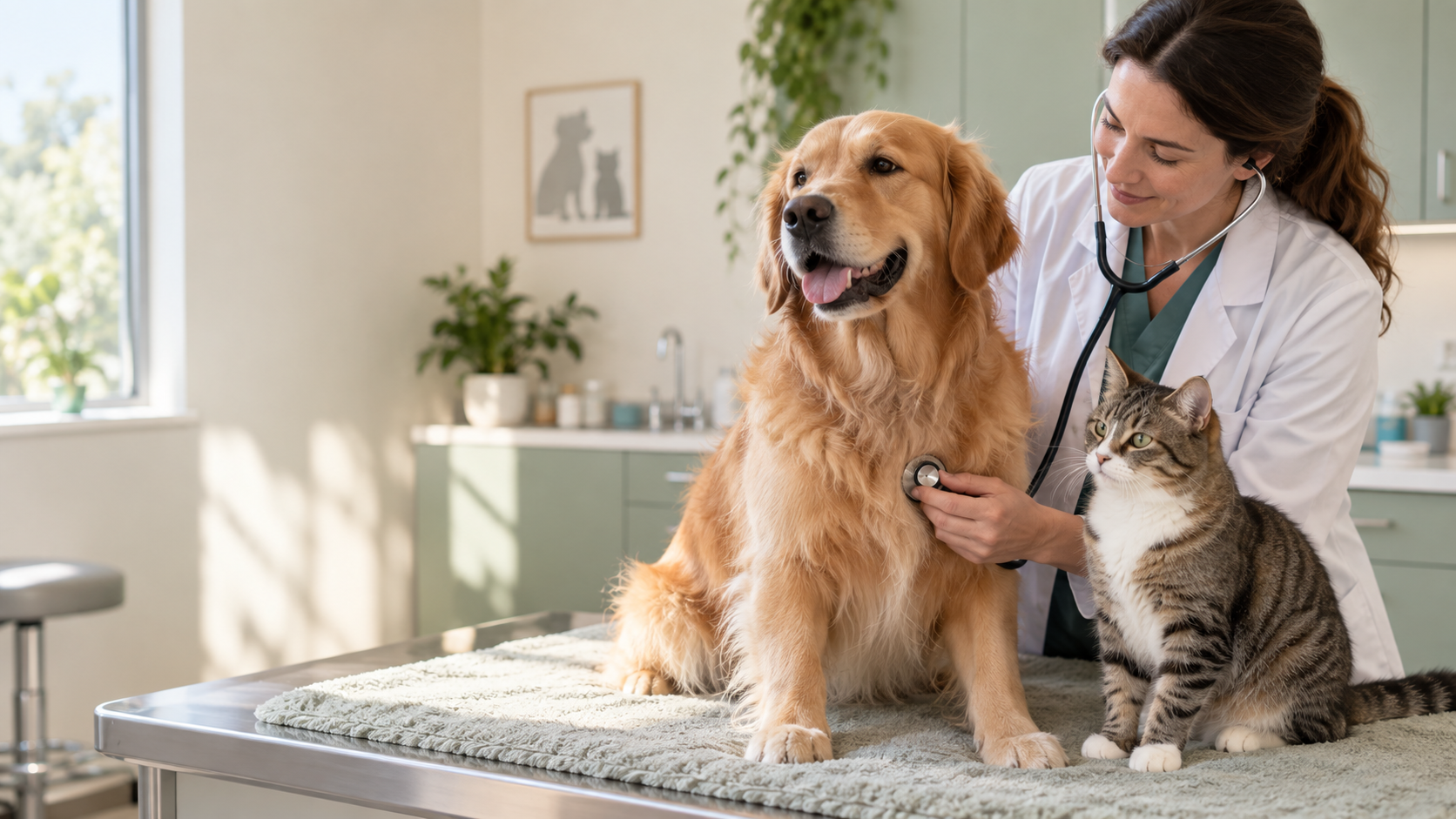
Understanding Pet Health Assessment
A comprehensive guide to evaluating your pet's body condition and health
Body Condition Score (BCS)
Body Condition Score is a visual and tactile assessment system that evaluates your pet's body fat. For cats, it uses a 1-5 scale where 3 is ideal. For dogs, it uses a 1-9 scale where 4-5 is ideal. BCS is often more reliable than weight alone because it accounts for body frame and muscle mass.
BMI Calculation
Pet BMI (Body Mass Index) provides a numerical assessment of body condition based on weight and Body Condition Score. Our calculators estimate BMI using standardized formulas that account for species differences, helping you track changes over time.
Visual and Tactile Assessment
BCS is assessed by feeling your pet's ribs, spine, and hip bones, and observing their waist and abdominal area. A healthy pet should have ribs easily felt but not visible, a visible waist behind the ribs, and minimal abdominal fat.
Food Quality Evaluation
Paw Score evaluates your pet food's quality using a 1-5 paw rating system. It assesses protein content, ingredient quality, carbohydrate levels, and other factors to help you choose the best food for your pet's nutritional needs.
Explore Our Pet Health Calculators
Assess your pet's body condition and get personalized health recommendations
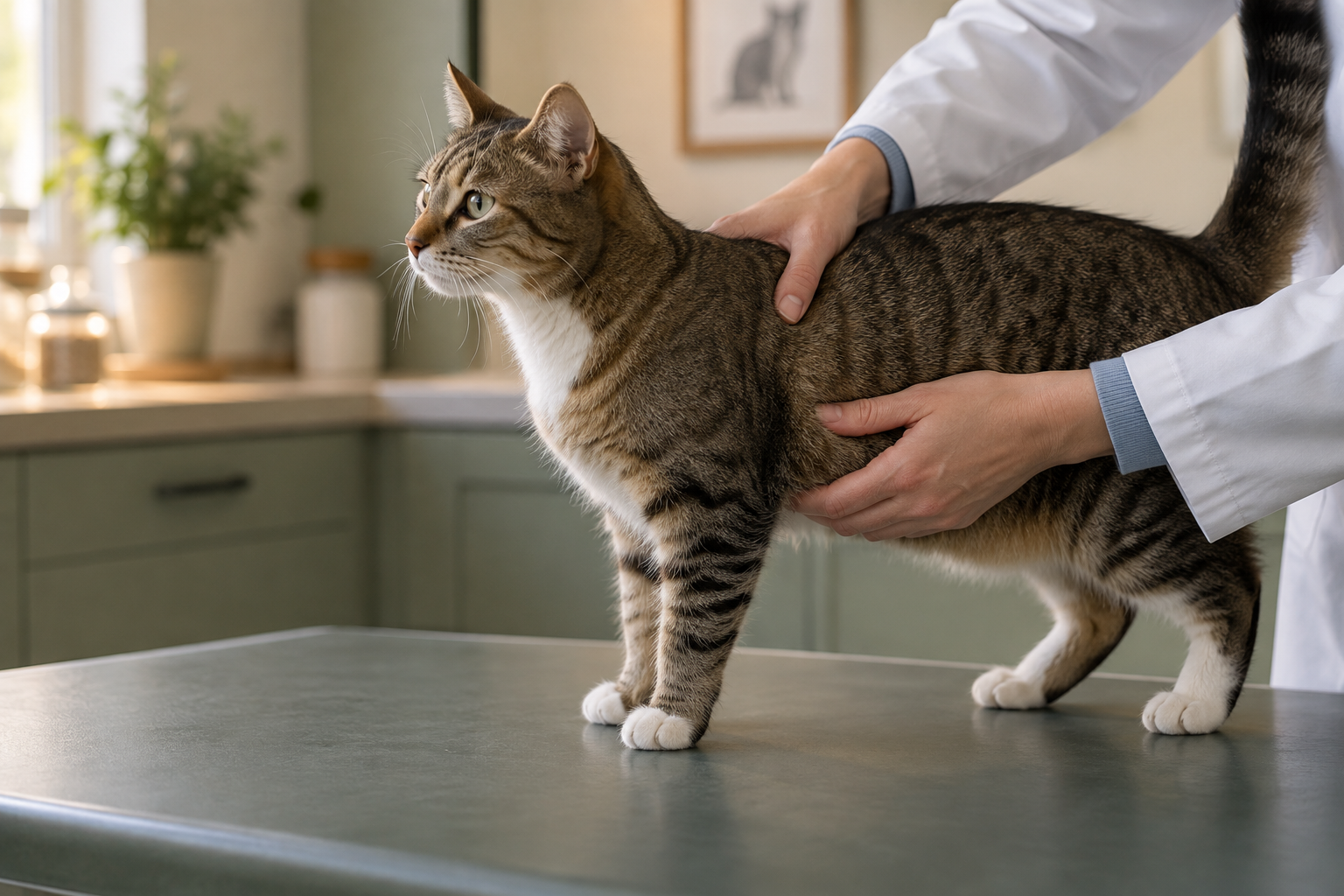
Cat BMI Calculator
Assess your cat's body condition using a 1-5 Body Condition Score scale. Calculate estimated BMI and get personalized recommendations for optimal feline health. Determine if your cat is underweight, ideal, or overweight.
Calculate Cat BMI →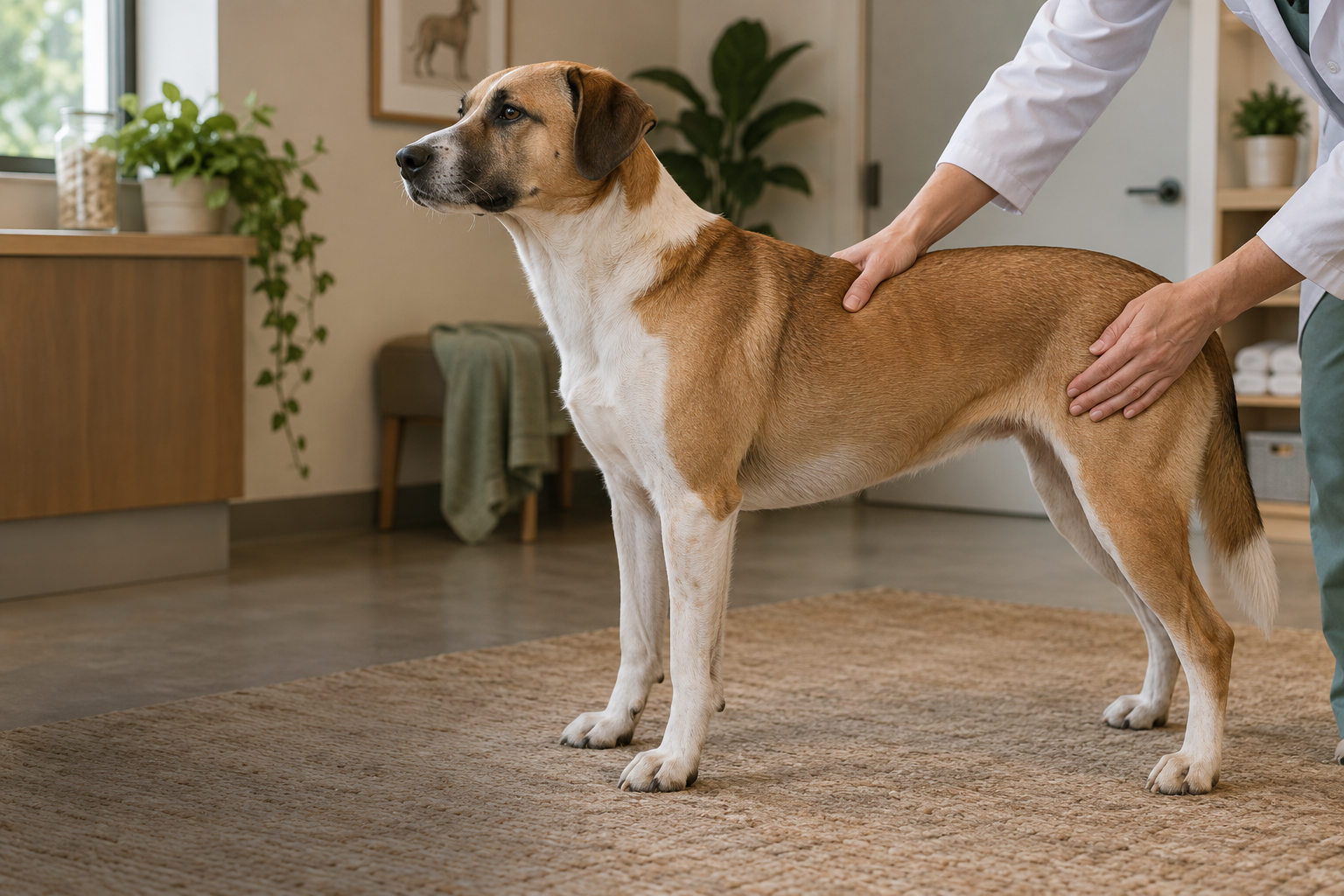
Dog BMI Calculator
Assess your dog's body condition using a 1-9 Body Condition Score scale. Calculate estimated BMI and get personalized recommendations for optimal canine health. Determine if your dog is underweight, ideal, or overweight.
Calculate Dog BMI →Dog Exercise Calculator
Find out how much exercise your dog needs daily. Enter breed size, age, and energy level for personalized recommendations.
Calculate Exercise Needs →Dog Quality of Life Calculator
Use the HHHHHMM scale to assess your senior dog's quality of life. Rate Hurt, Hunger, Hydration, Hygiene, Happiness, Mobility, and More good days than bad. Get a score and recommendations.
Calculate Quality of Life →
Paw Score Calculator
Evaluate your pet food's quality with our paw score rating system (1-5 paws). Assess protein content, ingredient quality, carbohydrate levels, and other factors to choose the best food for your pet. Confused by the rental "paw score"? See our Paw Score vs Fido Score guide.
Calculate Paw Score →Dog Pregnancy Calculator
Enter your dog's mating date to calculate the estimated due date, current pregnancy week, and a week-by-week guide covering signs to watch for and care tips throughout the pregnancy.
Calculate Due Date →Cat Pregnancy Calculator
Calculate your cat's estimated kitten due date and track pregnancy week by week. Get signs to watch for and care tips at each stage of feline pregnancy.
Calculate Kitten Due Date →Dog Water Intake Calculator
Find out how much water your dog should drink each day based on their weight, activity level, and weather. Includes dehydration warning signs and hydration tips.
Calculate Water Needs →Pet Medication Dosage Calculator
Look up estimated OTC medication dosages for dogs and cats by weight. Covers Benadryl, Famotidine, Melatonin, and more — with safety warnings and a toxic substances guide.
Check Medication Dose →Key Topics Covered
Everything you need to know about pet health assessment and body condition
Body Condition Scoring
Master the Body Condition Score (BCS) system to assess your pet's health visually and tactually. Learn the specific scales for cats (1-5) and dogs (1-9), and understand how to identify underweight, ideal, and overweight conditions.
BMI Calculation
Understand how to calculate and interpret pet BMI based on weight and Body Condition Score. Learn how BMI provides a numerical assessment that complements visual and tactile evaluation for comprehensive health monitoring.
Visual Assessment Techniques
Learn to observe your pet's body shape, waist definition, and abdominal area to assess body condition. Understand what to look for when evaluating if your pet is at an ideal weight, underweight, or overweight.
Tactile Assessment Methods
Master the technique of feeling your pet's ribs, spine, and hip bones to assess body condition. Learn how easily felt bones indicate ideal condition, while difficulty feeling bones suggests excess body fat.
Food Quality Evaluation
Use Paw Score to evaluate your pet food's nutritional quality. Learn how to assess protein content, ingredient quality, carbohydrate levels, and other factors that contribute to optimal pet nutrition.
Health Monitoring
Establish a regular health assessment routine to monitor your pet's body condition over time. Learn how to track changes, identify trends, and adjust diet and exercise to maintain optimal health.
Frequently Asked Questions About Pet Health Assessment
Common questions about Body Condition Score, BMI, and health evaluation
Why use a pet health calculator?
Pet health calculators help you assess your pet's body condition using standardized scoring systems, calculate estimated BMI based on weight and body condition, get personalized recommendations for weight management, and identify if your pet needs to gain or lose weight.
What is Body Condition Score (BCS)?
Body Condition Score is a visual and tactile assessment system used to evaluate your pet's body fat. For cats, it uses a 1-5 scale (3 is ideal). For dogs, it uses a 1-9 scale (4-5 is ideal). BCS is often more reliable than weight alone because it accounts for body frame and muscle mass.
How do I assess my cat's Body Condition Score?
For cats, use a 1-5 scale: Score 1 indicates emaciated (ribs, spine, and hip bones visible), 2 is thin (ribs easily felt), 3 is ideal (ribs felt but not visible, visible waist), 4 is overweight (ribs difficult to feel, no waist), and 5 is obese (ribs not felt, fat deposits).
How do I assess my dog's Body Condition Score?
For dogs, use a 1-9 scale: Scores 1-3 indicate underweight (ribs, spine, hip bones visible), 4-5 is ideal (ribs easily felt but not visible, visible waist), and 6-9 indicates overweight to obese (ribs difficult to feel, no waist, fat deposits). The ideal range is 4-5.
What is pet BMI and how is it calculated?
Pet BMI (Body Mass Index) is an estimated value calculated based on your pet's weight and Body Condition Score. It provides a numerical assessment of body condition. Our calculators estimate BMI using standardized formulas that account for species differences.
What is a Paw Score?
Paw Score is a rating system (1-5 paws) that evaluates your pet food's quality. It assesses protein content, ingredient quality, carbohydrate levels, and other factors to help you choose the best food for your pet's nutritional needs.
How often should I assess my pet's body condition?
Assess your pet's body condition monthly to catch changes early. Regular assessments help you maintain your pet's health between veterinary visits and allow you to adjust diet and exercise as needed. Use our calculators to track changes over time.
What should I do if my pet's BCS is outside the ideal range?
If your pet is underweight (BCS 1-2 for cats, 1-3 for dogs), consult your veterinarian to rule out health issues. If overweight (BCS 4-5 for cats, 6-9 for dogs), use our weight loss calculators to create a safe weight loss plan. Always consult your veterinarian for professional guidance.
Ready to Assess Your Pet's Health?
Use our free calculators to evaluate your pet's body condition and get personalized health recommendations.