
Last updated: October 3, 2026
Grief by Pet Type
The bond you share with a pet is one of a kind, and so is the grief when they are gone. A dog is woven into your daily routine, a cat into the quiet of your home, a horse into your way of life, and a small or exotic pet into moments no one else fully saw. These compassionate, species-specific guides meet you where you are, whatever kind of companion you have lost.

Grief Is Different for Every Kind of Pet
Why species-specific support can help you feel understood
Your bond was unique
The way you loved and cared for your pet shaped the way you grieve them. A daily dog walk, a cat curled on your lap, a morning at the barn, or a small pet greeting you at the cage all leave different kinds of silence behind. Species-specific guidance honors those differences instead of offering one-size-fits-all advice.
All pet grief is valid
Grief reflects the depth of the bond, not the size or species of the animal. Losing a rabbit, bird, reptile, fish, or rodent can hurt just as much as losing a dog or cat. If others minimize your loss, that does not make your pain any less real or your grief any less deserving of support.
You are not alone
Whatever kind of pet you have lost, other people have walked this path and understand. These guides gather the specific concerns, routines, and questions that come with each type of companion, so you can find words for what you feel and gentle steps forward.
Choose Your Companion
Find the guide that speaks to the pet you are grieving
Losing a Dog
A dog is often a daily companion, so the silence after loss can be overwhelming. Learn how to move through the grief of losing a dog and honor the years you shared.
Read Guide →Losing a Cat
Cats bond quietly and deeply, and their absence is felt in every room. Find gentle guidance for coping with the loss of a cat and living with the empty spaces they leave behind.
Read Guide →Losing a Rabbit
House rabbits are affectionate, personality-filled companions whose loss is often underestimated by others. Learn how to grieve a rabbit and cope when friends do not understand.
Read Guide →Losing a Horse
Losing a horse means losing a partner in a way of life. Find support for grieving a horse or pony, from the barn routine that suddenly feels empty to decisions about the paddock.
Read Guide →Losing a Bird
Parrots and pet birds can share decades of your life, so their loss cuts deep. Learn how to cope with the death of a bird and grieve a companion who was always part of the conversation.
Read Guide →Losing a Hamster
A hamster is often a child’s first pet and first loss. Find compassionate advice for grieving a hamster and for helping a child understand and say goodbye.
Read Guide →Losing a Guinea Pig
Guinea pigs are social, vocal little companions who greet you every day. Learn how to cope with the loss of a guinea pig and support a surviving cage mate through the change.
Read Guide →Losing a Ferret
Ferrets are playful, mischievous companions with big personalities in small bodies. Find guidance for grieving a ferret and coping with the quiet that follows their loss.
Read Guide →Losing a Fish
The loss of a beloved fish is real grief, even when others dismiss it. Learn how to honor a fish you cared for daily and cope with an aquarium that suddenly feels still.
Read Guide →Losing a Reptile
Snakes, lizards, and geckos form quiet bonds with the people who care for them for years. Find support for grieving a reptile and coping with a loss others rarely acknowledge.
Read Guide →Losing a Turtle or Tortoise
Turtles and tortoises can share a lifetime with a family, sometimes across generations. Learn how to grieve a turtle or tortoise and mark the loss of such a long companionship.
Read Guide →Losing a Pet Chicken
Backyard chickens are individuals with names, habits, and personalities. Find compassionate advice for grieving a pet chicken and coping when the flock feels incomplete.
Read Guide →Losing a Gerbil
Gerbils are busy, curious companions who bond in pairs and with their people. Learn how to cope with the loss of a gerbil and care for a grieving partner gerbil.
Read Guide →Losing a Pet Rat
Pet rats are famously intelligent and affectionate, which makes their short lives especially hard to lose. Find support for grieving a rat and honoring a truly devoted little friend.
Read Guide →Losing a Hedgehog
Hedgehogs are gentle, solitary companions who win over the people patient enough to know them. Learn how to grieve a hedgehog and cope with a loss few people understand.
Read Guide →Losing a Cat Suddenly
A sudden, unexpected death brings shock and trauma on top of grief. Find gentle support for coping when a cat dies without warning and you had no chance to say goodbye.
Read Guide →Losing a Senior Dog
An old dog has shared years of your life and history. Learn how to grieve a senior dog and cope with the guilt and emptiness that end of life decisions can leave behind.
Read Guide →Losing a Service Dog
A service or working dog is a companion and a lifeline both. Find support for grieving a partner you depended on for safety, independence, or daily function.
Read Guide →Losing Your First Pet
A first pet is often a first experience of grief. Learn why the loss hits so hard, how to help a grieving child, and gentle ways to carry a first goodbye.
Read Guide →Losing a Lifelong Companion
Some pets are woven into years of our lives. Find support for grieving a lifelong companion and coping with a home and routine that suddenly feel different.
Read Guide →Do Dogs Grieve?
If your dog seems lost after a companion or person dies, you are not imagining it. Learn the signs of grief in dogs and gentle ways to help them adjust.
Read Guide →Do Cats Grieve?
If your cat seems unsettled after a loss, grief may be why. Learn the signs of grief in cats and gentle, practical ways to help them through the change.
Read Guide →Helping Your Surviving Pet Adjust
When one pet dies, the companions left behind feel it too. Learn how to help a surviving dog, cat, or small pet adjust after losing their friend.
Read Guide →What These Guides Cover
Practical, compassionate support for every stage of pet loss
Understanding your grief
Each guide explains the feelings that come with losing that particular kind of pet, from guilt and numbness to the ache of a broken routine, so you can recognize that what you feel is normal.
Coping day to day
Find gentle, practical steps for getting through the hardest days, adjusting to an empty home or cage, and caring for yourself while you grieve.
Supporting others
Learn how to help children, partners, and even surviving pets cope with the loss, including how to talk about death honestly and kindly.
Disenfranchised grief
For small and exotic pets especially, others may not understand your loss. These guides validate your grief and offer ways to cope when support is hard to find.
Honoring your pet
Discover meaningful ways to remember your companion, from simple rituals and memorials to keepsakes that keep their memory close.
Knowing when to seek help
Understand the signs that grief may need extra support, and where to turn for pet-loss counseling, hotlines, and community when you need more than time.
Frequently Asked Questions About Grief by Pet Type
Common questions about coping with the loss of different kinds of pets
Why does grief feel different for different pets?
Every pet plays a unique role in your life. A dog may be a daily walking companion, a cat a quiet constant, a horse a partner in a whole way of life, and a small pet a child’s first real bond. The routines you built, how long you shared, and how others view that species all shape your grief. That is why species-specific guidance can feel more comforting than general advice.
Is it normal to grieve a small or exotic pet as deeply as a dog or cat?
Yes. The depth of grief reflects the depth of the bond, not the size or species of the animal. People grieve rabbits, birds, reptiles, fish, and rodents just as intensely as they grieve dogs and cats. Your feelings are valid regardless of what kind of pet you lost or how others react to your loss.
What is disenfranchised grief?
Disenfranchised grief is grief that society does not fully recognize or support. It is common when people lose a pet, and especially common with small, exotic, or unconventional pets, because others may say things like "it was just a fish" or "you can get another one." This kind of grief is real and deserves acknowledgment, even when the people around you do not understand it.
How do I help a child cope with the loss of a first pet?
Use clear, honest language and avoid confusing phrases like "put to sleep" or "went away." Let children see that grief is normal by sharing your own feelings gently. Invite them to help create a small memorial, such as drawing a picture or choosing a spot in the yard. Small pets like hamsters, guinea pigs, and fish are often a child’s first experience with death, so patience and openness matter.
Which pet-loss guide should I start with?
Start with the guide for the type of pet you lost. Each article speaks to the specific bond, routines, and challenges of grieving that species, from the daily companionship of a dog or cat to the quieter, often overlooked loss of a reptile, fish, or small pet. You can also explore our broader coping resources for grief support that applies to any pet.
You Do Not Have to Grieve Alone
Whatever kind of pet you have lost, there is a guide here written with your bond in mind.
Free printable support
Choose the resource that helps today
Each book is a free, 10-page A4 PDF designed to print and complete by hand.Pet Grief Journal
Ten gentle pages for memories, grief waves, letters, support, and carrying the bond forward.
Complete Pet Loss Guide
Compassionate guidance for grief reactions, children, surviving pets, aftercare, and support.
What to Do After a Pet Dies
A calm checklist for the first hours, provider questions, aftercare, records, and memorial choices.
Printable companion · Printable PDF
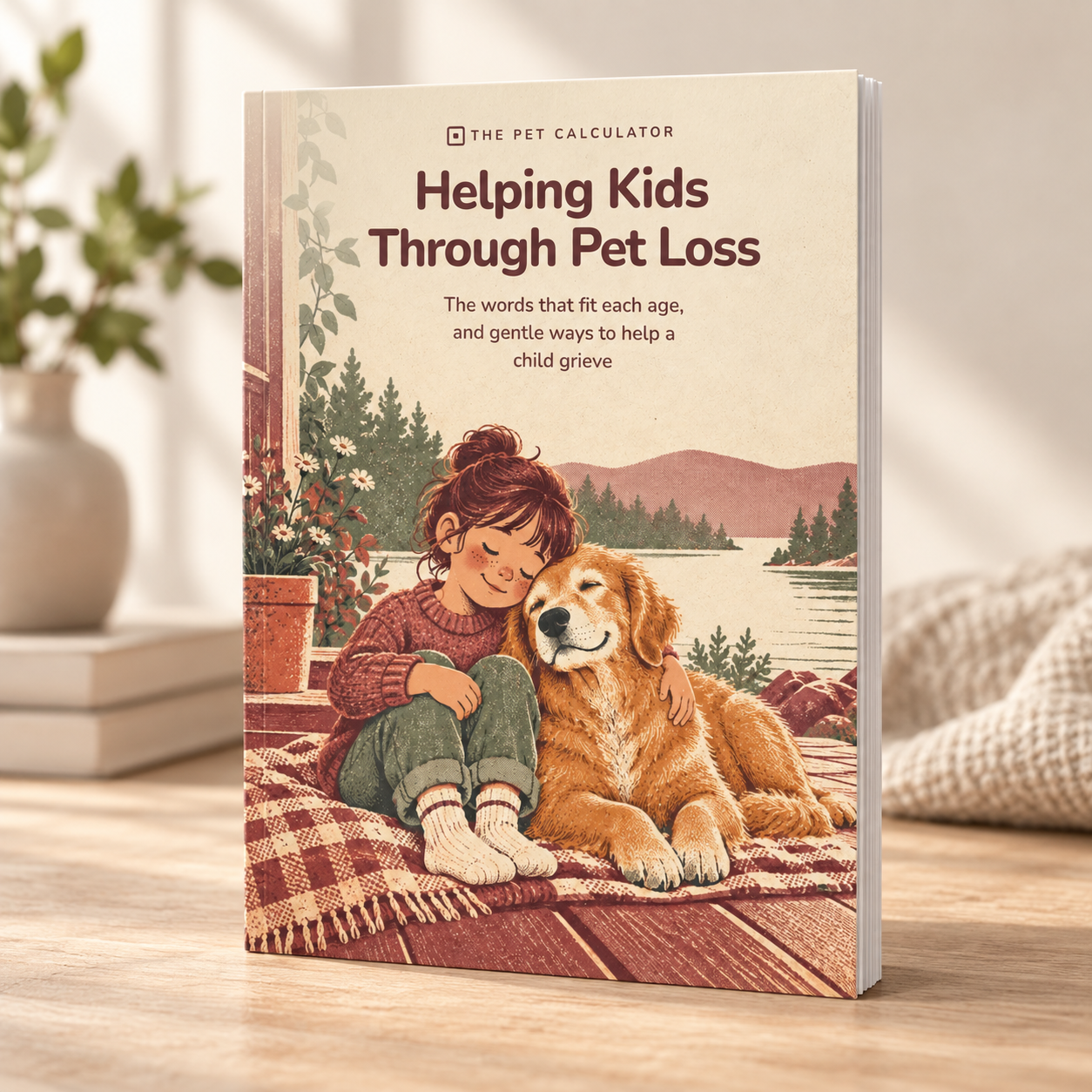
Helping Kids Through Pet Loss
A gentle memory book for children and families.
A draw-and-write keepsake that helps children remember a beloved pet, express difficult feelings, and move through grief at their own pace.