
Last updated: October 3, 2026
Dog Exercise Calculator
Find out how much exercise your dog needs daily. Enter breed size, age, and energy level for personalized recommendations. Most dogs need 30 minutes to 2 hours of activity per day.
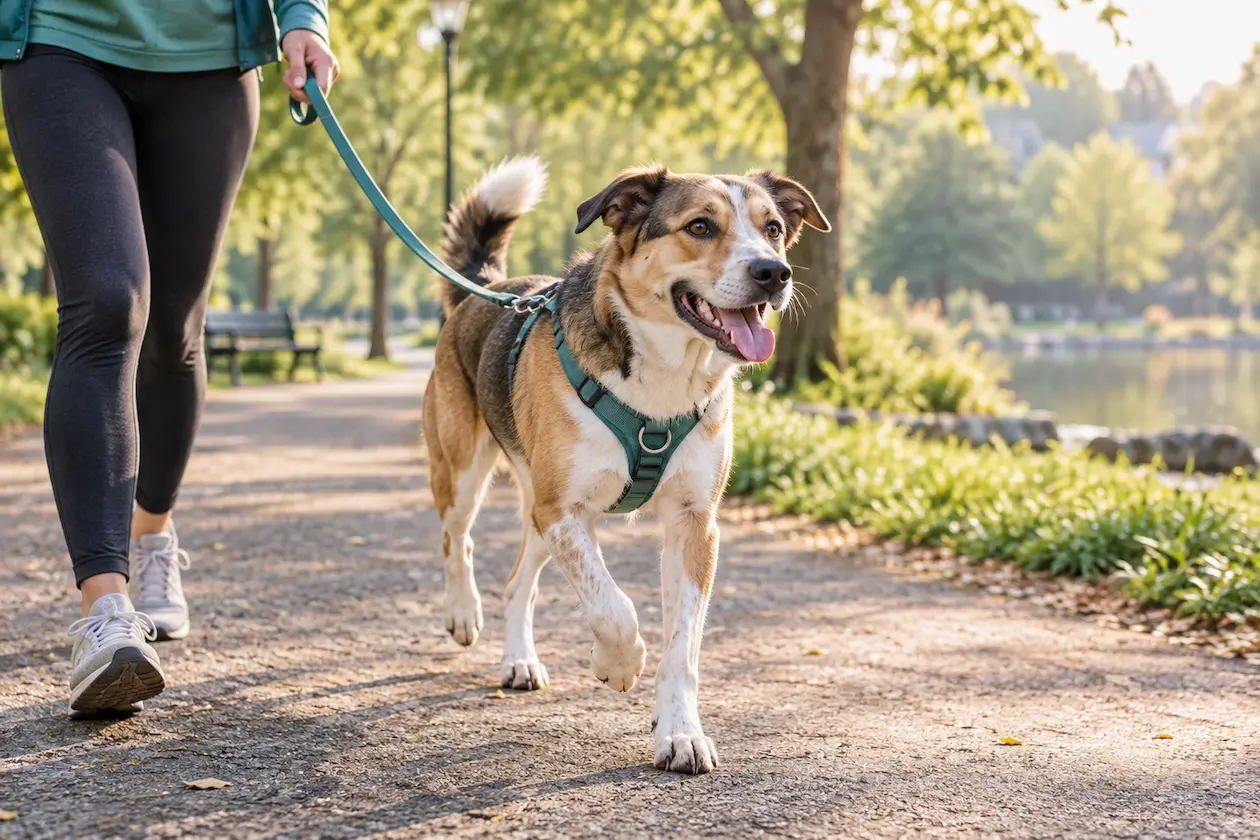
Recommended Exercise
Exercise Guidelines by Size
- Small breeds: 20-45 minutes daily
- Medium breeds: 30-60 minutes daily
- Large/giant breeds: 30-60 minutes daily
- Working breeds (herding, hunting, terriers): 1-2+ hours daily
Always consult your veterinarian for dogs with health conditions. Puppies need shorter, more frequent sessions. Senior dogs may need gentler, shorter exercise.
How the Dog Exercise Calculator Works
The calculator starts with a baseline daily exercise range for your dog's size, then adjusts that range up or down based on energy level and life stage. A small, low-energy senior dog lands at the gentle end of the scale, while a high-energy working breed in its prime lands at the top.
Three inputs drive the result:
- Breed size sets the starting daily range, since body size and typical drive shape baseline needs.
- Life stage adjusts for developing joints in puppies and reduced stamina in seniors.
- Energy level fine-tunes the range for the individual dog, because two dogs of the same breed can vary widely.
Types of Exercise Your Dog Needs
Daily activity should mix physical movement with mental work. A dog that only gets walks may still be restless because its mind is under-stimulated. Aim to combine several of the following:
- Aerobic exercise: brisk walks, jogging, fetch, and off-leash running build cardiovascular fitness.
- Strength and balance: hill walks, swimming, and tug help build muscle without high-impact stress on joints.
- Mental stimulation: training sessions, scent games, and puzzle feeders tire a dog as much as a walk.
- Social play: supervised play with other friendly dogs supports behavior and burns energy.
Exercise Needs by Life Stage
A dog's exercise requirements change throughout its life. Matching activity to life stage protects joints and keeps your dog comfortable.
- Puppies: Use the 5-minute rule, about 5 minutes of structured exercise per month of age, up to twice a day. Free play in short bursts is better than forced long walks.
- Adults: Most adult dogs thrive on 30 minutes to 2 hours daily, split into 2-3 sessions. This is the peak window for stamina and consistent routine.
- Seniors: Keep dogs moving with shorter, gentler walks. Low-impact activity like swimming helps maintain mobility while easing pressure on arthritic joints.
Signs Your Dog Is Getting Too Little or Too Much Exercise
Watching your dog's behavior is the best way to confirm you have the balance right. Adjust the calculator's estimate based on what you observe.
Signs of too little exercise:
- Restlessness, pacing, or trouble settling in the evening
- Destructive chewing, digging, or excessive barking
- Weight gain and loss of muscle tone
- Attention-seeking or hyperactive behavior
Signs of too much exercise:
- Reluctance to continue, lagging behind, or lying down on walks
- Limping, stiffness, or sore paw pads after activity
- Excessive panting that does not recover with rest
- Sleeping much more than usual or seeming worn out for days
Example Exercise Plans
These sample routines show how the calculator's recommendations translate into a daily schedule:
- Small adult dog (moderate energy): A 20-minute morning walk and a 20-minute evening walk, plus 10 minutes of indoor play or training.
- Medium adult dog (high energy): A 30-minute morning walk, a 20-minute lunchtime game of fetch, and a 30-minute evening walk with some training.
- Large working breed (high energy): A 45-minute morning run or hike, a midday puzzle-feeder session, and a 45-minute evening walk with off-leash play.
- Senior dog (low energy): Two gentle 15-minute walks plus light sniffing time in the yard, with rest as needed.
Weather and Safety Tips
Conditions affect how and when your dog should exercise. Plan around temperature and terrain to keep activity safe.
- Hot weather: Walk in the early morning or evening, carry water, and check pavement temperature with your hand. Flat-faced breeds overheat quickly. Active dogs also need more water, so check our dog water intake calculator for a daily target.
- Cold weather: Short-coated and small dogs may need a coat, and ice melt can irritate paws. Keep sessions shorter in freezing temperatures.
- Recovery and rest: Build rest days into intense routines and warm up with a slower start before vigorous activity.
- Health conditions: Dogs with heart, joint, or respiratory issues should follow a vet-approved plan rather than a generic estimate.
FAQs
Frequently Asked Questions
How much exercise does a dog need per day?
Most dogs need 30 minutes to 2 hours of exercise daily, depending on breed, size, age, and energy level. Small breeds may need 20-45 minutes; high-energy working breeds may need 2+ hours. Our calculator provides personalized estimates.
How much exercise does a puppy need?
Puppies need multiple short sessions (5-15 minutes each) rather than one long walk. Rule of thumb: 5 minutes per month of age, up to twice daily. Avoid excessive exercise that could strain developing joints. Our calculator adjusts for age.
How much exercise does a senior dog need?
Senior dogs often need less exercise—20-45 minutes of gentle activity. Adjust for arthritis, heart conditions, or other health issues. Shorter, more frequent walks may work better than one long session.
Other Calculators for Dogs
Dog Calorie Calculator by Breed — Free Daily Calorie & Feeding Tool
Free dog calorie calculator by breed. Find out exactly how many calories your dog needs per day by weight, breed, age, and activity level. Get instant kcal and feeding portions for Labradors, German Shepherds, Chihuahuas, and every breed in between. Try it now.

Puppy Calorie Calculator | Puppy Nutrition Calculator by Breed - Free Tool
Free puppy calorie calculator and nutrition tool. Calculate your puppy
Senior Dog Calorie Calculator - Free Daily Calorie Tool
Free senior dog calorie calculator. Calculate your older dog\
Other Pet Health Calculators
Cat BMI Calculator - Check Your Cat
Free cat BMI calculator. Check your cat

How Long Are Cats Pregnant? Cat Pregnancy Calculator & Due Date Tool
How long are cats pregnant? Cat pregnancy averages 63–65 days (about 9 weeks). Use our free cat pregnancy calculator to find the estimated due date, current week, and a week-by-week kitten care guide.

Cat Quality of Life Calculator, Free HHHHHMM Scale for Cats | Senior Cat QoL Tool
Free cat quality of life calculator using the HHHHHMM scale. Assess your senior cat
Free dog printables
Keep these dog care guides handy
A rotating selection of practical dog guides chosen from our free printable library.Dog Pregnancy Timeline
A week-by-week whelping calendar and checklist.
Puppy Calorie Guide
Calorie targets by breed size and age.
Raw Feeding Reference Card
A printable BARF and 80/10/10 portion guide.