
Last updated: October 3, 2026
Euthanasia & Saying Goodbye
What to Expect During Euthanasia
Not knowing what will happen can make the fear worse. This gentle, step by step guide walks you through the euthanasia process so that nothing takes you by surprise on an already hard day.
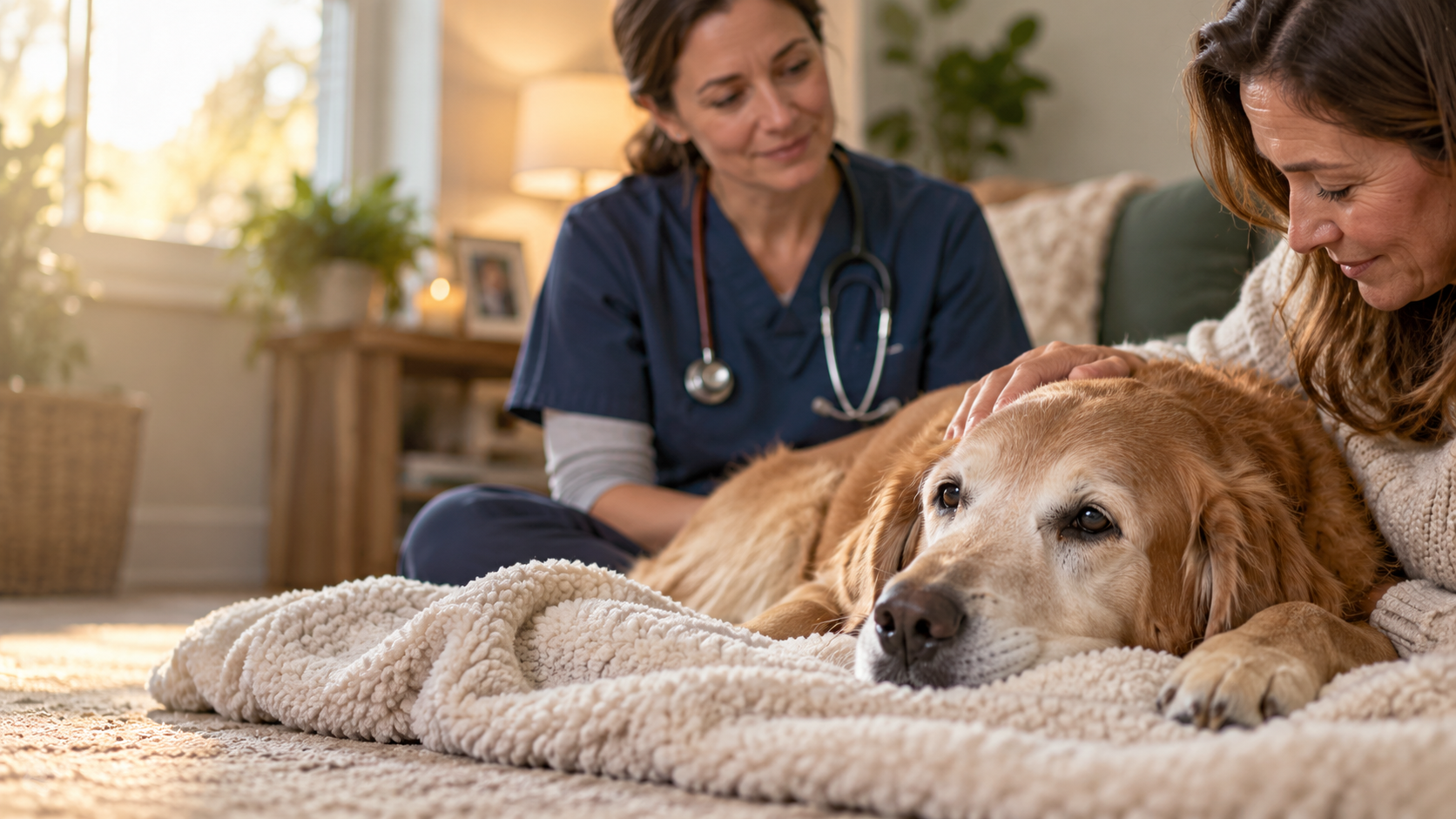
Euthanasia means a gentle death. It is designed, from beginning to end, to be peaceful and free of pain. Understanding each step ahead of time helps many people feel a little less afraid of the moment itself.
A peaceful process, made gentle by design
Euthanasia is carried out with great care to spare your pet any pain or fear. In most cases it happens in two gentle stages: a sedative to bring deep calm and comfort, followed by a final medication that lets your pet slip peacefully away. Whether at a clinic or at home, the aim is always the same, a quiet and dignified passing surrounded by love.
You do not need to know all the medical details to be a good companion in this moment. But for many people, knowing the shape of what will happen makes it easier to be present and calm for their pet.
The euthanasia process, step by step
A quiet space and time to say goodbye
Most clinics offer a calm, private room, and many will give you as much time as you need beforehand. You can bring a blanket, a favorite toy, or simply sit close. There is no rush to begin.
A sedative to bring calm and comfort
The veterinarian usually gives a sedative first, often under the skin or into a vein. Over a few minutes your pet becomes deeply relaxed, sleepy, and free of pain. They may drift into what looks like a peaceful sleep in your arms.
The final injection
Once your pet is fully relaxed, the veterinarian gives the final medication, an overdose of anesthetic, usually into a vein. It works gently and quickly, stopping the heart within seconds to a minute. Your pet does not feel pain during this.
The moments after
The veterinarian will listen for the heart to confirm your pet has passed. You are welcome to stay as long as you wish. Take the time you need before saying your last goodbye.
What you might notice, and why it is normal
As your pet passes, the body releases in natural ways that can be surprising if no one has prepared you. Your pet's eyes may stay open, they may take one or two final deep breaths, their muscles may twitch, or the bladder or bowels may release. None of these are signs of pain or awareness. They are simply the body letting go, and your veterinarian can gently explain them beforehand so they do not frighten you.
If you are still deciding whether to be in the room, our guide on being present at the end may help, and many families find a home setting gentler, which our in-home euthanasia guide explains.
This guide describes a typical process in general terms. Your veterinarian can tell you exactly what to expect for your pet and answer any question, however small.
Books That May Bring Comfort
A few gentle, well-regarded reads for this part of the journey.
As an Amazon Associate we earn from qualifying purchases. The book links below are affiliate links, and we may earn a small commission if you buy through them, at no extra cost to you. Learn more.
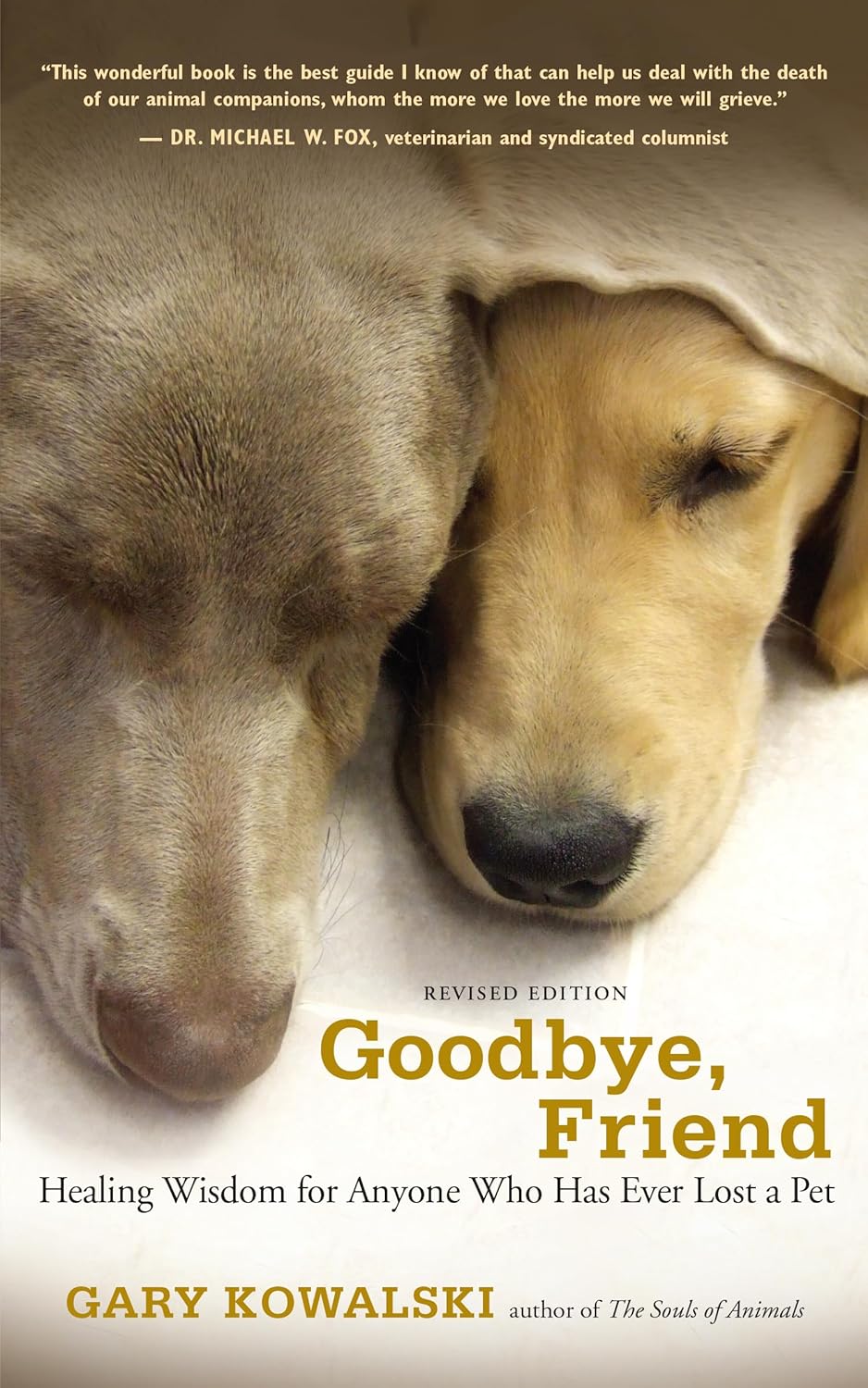
Goodbye, Friend
by Gary Kowalski
View on Amazon → (paid link)
Going Home: Finding Peace When Pets Die
by Jon Katz
View on Amazon → (paid link)
Grieving the Death of a Pet
by Betty J. Carmack
View on Amazon → (paid link)Looking for more? See our full guide to the best books on pet grief.
What to Expect During Euthanasia: Common Questions
Gentle answers to ease the fear of the unknown.
Does euthanasia hurt my pet?
No. The process is designed to be painless. The sedative given first ensures your pet is deeply relaxed and comfortable before the final injection, which itself works gently. Most pets simply drift from a peaceful sleep into passing, without distress or awareness of pain.
How long does the whole process take?
The medical part is usually quick. After the sedative takes effect over a few minutes, the final injection stops the heart within seconds to a minute. The visit as a whole often takes longer because you are given time beforehand and afterward, at your own pace, which most families find comforting.
What might my pet's body do afterward?
Because the body is releasing, you may notice things that can be surprising if you are not expecting them. Your pet's eyes may stay open, they may take a final deep breath or two, their muscles may twitch, or the bladder or bowels may release. These are natural reflexes, not signs of pain or awareness. Your veterinarian can gently explain them beforehand.
Can I hold my pet during euthanasia?
Usually, yes. Many veterinarians encourage you to hold or stay close to your pet so that a familiar voice and touch are the last things they know. If you would rather not be right beside them, that is understandable too. The team will help you find whatever feels bearable for you.
What happens to my pet afterward?
You choose the aftercare beforehand, usually cremation or burial. Your veterinarian can walk you through the options and timing, and you can decide whether you would like your pet's ashes returned. Our cremation guides explain each choice in gentle detail when you are ready.
You can face this moment gently
Explore the guides that help with the choices around the goodbye itself.
Free printable support
Choose the resource that helps today
Each book is a free, 10-page A4 PDF designed to print and complete by hand.Pet Grief Journal
Ten gentle pages for memories, grief waves, letters, support, and carrying the bond forward.
Get your free PDF
Pet Grief Journal
Complete Pet Loss Guide
Compassionate guidance for grief reactions, children, surviving pets, aftercare, and support.
Get your free PDF
Complete Pet Loss Guide
What to Do After a Pet Dies
A calm checklist for the first hours, provider questions, aftercare, records, and memorial choices.
Get your free PDF
What to Do After a Pet Dies

Printable companion · Printable PDF
Helping Kids Through Pet Loss
A gentle memory book for children and families.
A draw-and-write keepsake that helps children remember a beloved pet, express difficult feelings, and move through grief at their own pace.