
Last updated: October 3, 2026
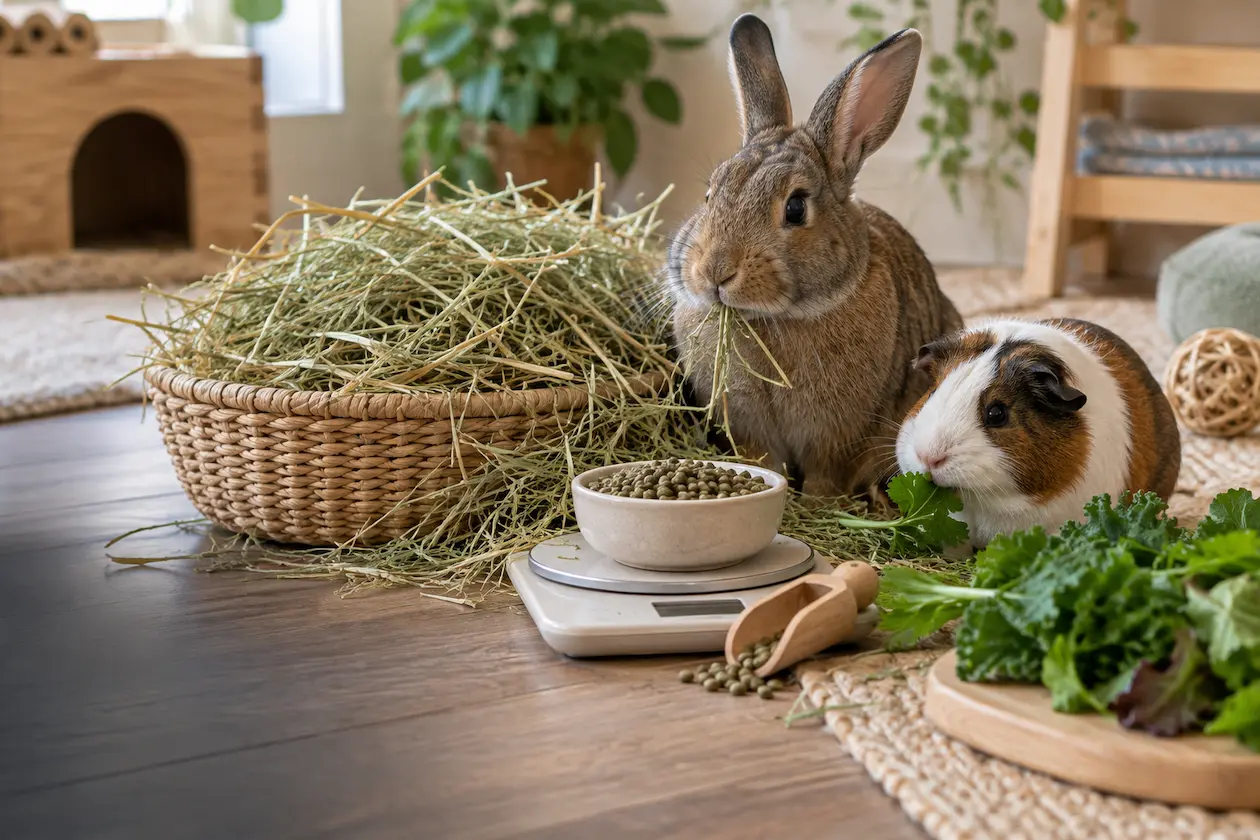
How To Use
This tool helps estimate the daily calorie requirements for your small mammal based on their species, weight, activity level, life stage, current diet, and feeding frequency.
Simply fill out the fields and click Calculate to get started.
Quick Steps
- 1 Select your Small Mammal's Species from the dropdown list.
- 2 Enter your Small Mammal's Weight in pounds.
- 3 Select the Life Stage of your small mammal.
- 4 Select the Activity Level of your small mammal.
- 5 Select the Current Diet Type of your small mammal.
- 6 Select the Feeding Frequency of your small mammal.
- 7 Click the Calculate button to see the estimated daily calorie requirement.
Small Mammal Nutrition Calculator
Fill Out The Fields Below
Result
Small Mammal Species Information
| Species | Description | Feeding Frequency |
|---|---|---|
| Hamster | Small, nocturnal rodents known for their cheek pouches and varied diet. | Daily; provide fresh food and water daily. |
| Guinea Pig | Social animals requiring Vitamin C supplementation and a diet rich in hay and fresh vegetables. | Daily; ensure constant access to hay and fresh vegetables. |
| Rabbit | Herbivores known for their hoppy behavior and need for high-fiber diets like hay and fresh greens. | Daily; provide fresh food and water daily. |
| Chinchilla | Small, agile rodents with dense fur and specific needs for dust baths and high-fiber diets. | Daily; provide fresh hay and a small portion of pellets. |
| Gerbil | Active, social rodents that require a diet rich in seeds, grains, and fresh vegetables. | Daily; provide fresh food and water daily. |
| Mouse | Small rodents known for their curiosity and need for a varied diet including grains and fresh fruits. | Daily; provide fresh food and water daily. |
| Rat | Social animals that require a balanced diet with protein, grains, and fresh fruits and vegetables. | Daily; provide fresh food and water daily. |
| Ferret | Energetic carnivores needing high-protein diets and specific care for their playful and curious nature. | Daily; feed small portions multiple times a day. |
| Hedgehog | Nocturnal insectivores requiring a balanced diet of insects, high-protein cat food, and vegetables. | Daily; provide fresh food and water daily. |
| Degu | Chewers known for their social behavior and herbivorous diet of hay, pellets, and fresh vegetables. | Daily; provide fresh hay and a small portion of pellets. |
| Sugar Glider | Small gliding marsupials requiring a diet rich in fruits, vegetables, and protein sources like insects. | Daily; provide fresh food and water daily, supplementing with insects and fruits. |
Understanding Small Mammal Daily Caloric Needs
| Factor | Description |
|---|---|
| Weight | Enter the weight of your small mammal in pounds (lbs); this influences its calorie needs. |
| Species | Select your small mammal species from the dropdown list; different species have varying calorie requirements. |
| Life Stage | Choose the appropriate life stage of your small mammal; calorie needs differ between babies, young, adults, and seniors. |
| Activity Level | Select the activity level that best describes your small mammal; this affects its calorie requirements. |
| Diet Type | Choose the primary diet type of your small mammal; the composition of their diet affects their calorie intake. |
| Feeding Frequency | Indicate how often you feed your small mammal per day; this impacts its total daily calorie intake. |
How Small Mammal Nutrition Works
Small mammals span a wide range of species with very different digestive systems, so there is no single diet that fits them all. Rabbits and guinea pigs are hindgut fermenters that depend on a constant supply of grass hay to keep their gut moving and their continuously growing teeth worn down. Hamsters, gerbils, and mice are omnivores that thrive on a seed and grain based mix supplemented with small amounts of fresh produce and protein. Understanding which category your pet falls into is the first step toward feeding it correctly.
Our calculator estimates daily calorie needs using your animal's species, body weight, life stage, and activity level. It applies a resting energy requirement formula and then adjusts for the factors that raise or lower a small mammal's metabolism, giving you a realistic starting point for portioning food each day.
Daily Diet Composition by Species
The table below outlines the typical diet balance for the most common small mammals kept as pets. Use it alongside your calculator results to decide how the daily calories should be split across hay, pellets, and fresh foods.
| Species | Diet Base | Fresh Foods | Notes |
|---|---|---|---|
| Rabbit | 80% grass hay | Leafy greens daily | Limit pellets, avoid sugary treats |
| Guinea Pig | Unlimited hay | Vitamin C rich veg | Cannot make own vitamin C |
| Hamster | Seed/grain mix | Small veg portions | Prone to obesity, watch fat |
| Gerbil | Grain mix + pellets | Occasional veg | Low water needs, avoid citrus |
| Chinchilla | Grass hay + pellets | Rare, dried only | Sensitive gut, no fresh produce |
| Rat | Lab block/pellets | Varied veg + fruit | Omnivore, needs protein |
Key Nutrients Every Small Mammal Needs
Beyond calories, small mammals need the right balance of specific nutrients to stay healthy. Getting these right prevents the most common diet related illnesses seen in pet rodents and rabbits:
- Fiber: The single most important nutrient for rabbits and guinea pigs. Long strand fiber from hay keeps the digestive tract moving and prevents deadly gut stasis.
- Protein: Omnivores like rats, mice, and hamsters need moderate protein for muscle and coat health, while herbivores need far less.
- Vitamin C: Essential for guinea pigs, which cannot synthesize it and will develop scurvy without a daily dietary source.
- Calcium: Needed for bone and tooth health, but excess calcium can cause bladder stones in rabbits, so leafy greens should be rotated carefully.
- Limited fat and sugar: Most small mammals gain weight quickly, so treats, seeds, and sugary fruits should stay a small fraction of the diet.
How Life Stage and Activity Change Calorie Needs
A growing juvenile, a pregnant or nursing female, and a sedentary senior all have very different energy requirements even at the same body weight. Young, growing animals and nursing mothers may need 25 to 50 percent more calories than a resting adult, which is why alfalfa hay (higher in protein and calcium) is often recommended for young rabbits and guinea pigs before switching to grass hay in adulthood.
Activity level matters too. A rabbit with free run of a room burns considerably more energy than one confined to a hutch, and an exercise wheel raises a hamster's daily needs. The calculator lets you select an activity level so the estimate reflects your pet's real lifestyle rather than a one size fits all number.
Example: Feeding a 2 kg Adult Rabbit
Consider a healthy, moderately active adult rabbit weighing about 2 kg (roughly 4.4 lbs). Its diet should be built around unlimited grass hay, which makes up the vast majority of daily intake and provides the fiber needed to keep its gut healthy. On top of that, a rabbit this size typically receives around one packed cup of fresh leafy greens per day and only about 1/8 to 1/4 cup of quality pellets, kept small deliberately to avoid excess calories.
Entering 2 kg, the rabbit species, adult life stage, and a moderate activity level into the calculator above returns an estimated daily calorie target you can use to fine tune pellet and treat portions. Re-check the estimate if your rabbit gains or loses weight, since body condition is the best real world signal that portions need adjusting.
Common Small Mammal Feeding Mistakes to Avoid
Many small mammal health problems trace back to a handful of avoidable feeding errors:
- Too many pellets or seed mixes: These are calorie dense and encourage selective feeding, where a pet picks out the tasty high fat pieces and leaves the balanced portions behind.
- Not enough hay: Skimping on hay is the leading cause of dental disease and gut stasis in rabbits and guinea pigs.
- Sugary fruit as a daily food: Fruit should be an occasional treat, not a staple, because the sugar disrupts gut bacteria and adds unnecessary calories.
- Sudden diet changes: Switching foods abruptly can trigger digestive upset. Transition new foods gradually over a week or more.
- Ignoring body condition: Weigh your pet regularly, since small animals hide weight changes under fur and a scale catches problems early.
FAQs
Frequently Asked Questions
Why is small mammal nutrition important?
Proper nutrition is crucial for maintaining the health, energy levels, and longevity of small mammals. Understanding their dietary needs ensures they thrive.
What are the key nutrients for small mammals?
Small mammals require a balanced diet that includes proteins, fats, carbohydrates, vitamins, and minerals. Providing these nutrients in the right proportions is essential for their well-being.
How often should I feed my small mammal?
Feeding frequency varies based on the species, age, and activity level of your small mammal. Some may need multiple small meals throughout the day.
Can I give my small mammal human food?
While some human foods are safe for small mammals, many can be harmful. It's best to stick to species-specific foods to ensure they receive the correct nutrients.
How do I know if my small mammal is overweight?
Monitoring your small mammal's weight and body condition can help you determine if they are overweight. Regular veterinary check-ups are also important.
What should I do if my small mammal refuses to eat?
If your small mammal refuses to eat for more than a day, consult your veterinarian. This could be an indication of an underlying health issue.
Other Pet Nutrition Calculators
Bird Nutrition & Feed Calculator | How Much Do Birds Eat?
Free bird nutrition and feed calculator. Find out how much your bird should eat a day, in grams and calories, based on weight, size, type, age, and feeding frequency. Works for budgies, cockatiels, parrots, and more.
Cat Food Carb Calculator | Free Carbohydrate Calculator for Cat Food
Free cat food carb calculator. Calculate carbohydrate content in wet and dry cat food from the guaranteed analysis label. Compare carbs on a dry matter basis. Essential for low-carb and diabetic cat diets.
Cat Calorie Calculator - Daily Calories & Feeding Amounts for Cats
Free cat calorie calculator. Enter your cat