
Last updated: October 3, 2026
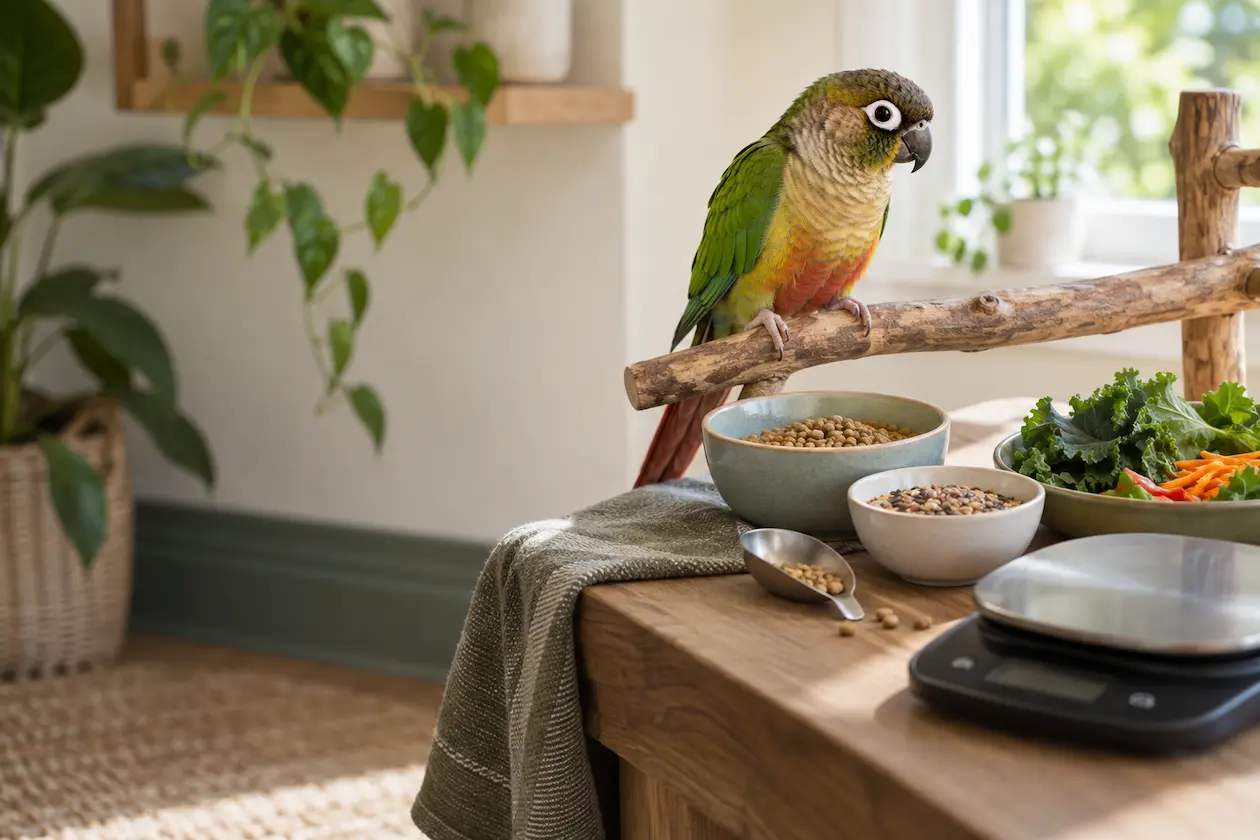
How To Use
This tool helps estimate the daily calorie requirements for your bird based on their weight, size, type, age, and feeding frequency.
Simply fill out the fields and click Calculate to get started.
Quick Steps
- 1 Enter your Bird's Weight in ounces.
- 2 Select the Size of your bird.
- 3 Select the Type of your bird.
- 4 Enter your Bird's Age in years.
- 5 Enter the Feeding Frequency per day.
- 6 Click the Calculate button to see the estimated daily calorie requirement.
Bird Nutrition Calculator
Fill Out The Fields Below
Result
Bird Nutrition Calculator Help
| Field | Description | How to Determine |
|---|---|---|
| Weight (ounces) | The weight of your bird in ounces. | Weigh your bird using a small animal scale. If you don’t have one, you can consult your vet for an accurate measurement. |
| Size | The general size category of your bird. | Choose "Small" for birds like parakeets, "Medium" for birds like cockatiels, and "Large" for birds like parrots. |
| Type | The dietary classification of your bird. | Select "Granivorous" if your bird primarily eats seeds, "Frugivorous" if it eats fruits, "Nectarivorous" if it consumes nectar, or "Omnivorous" if it eats a variety of plant and animal matter. |
| Age | The age of your bird in years. | If your bird is less than 1 year old, it’s considered juvenile. If it’s older than 5 years, it’s considered senior. Birds between 1 and 5 years are considered adults. |
| Feeding Frequency | How often you feed your bird each day. | Typical feeding frequency ranges from 1 to 3 times per day. Choose the number that matches your current feeding schedule. |
Our bird nutrition calculator estimates how many calories your bird needs each day based on its weight, size, dietary type, age, and how often you feed it. Birds have some of the fastest metabolisms of any pet, and their energy needs vary enormously between a tiny finch and a large macaw. This bird calorie calculator gives you a species-aware starting point so you can plan meals that keep your feathered companion at a healthy weight. It also works as a bird feed calculator, estimating how much food your bird should eat a day in grams and per meal, not just in calories.
How Much Do Birds Eat a Day?
One of the most common questions bird owners ask is simply how much food a bird should eat a day. Because birds burn energy so fast, they eat a surprisingly large share of their own body weight compared with cats or dogs. A good rule of thumb is that a bird eats a percentage of its body weight in food each day, and that percentage falls as birds get larger. The calculator above turns your bird's weight and size into an estimated grams-per-day feed amount, then divides it across your feedings so you know how much to put in the bowl at each meal.
| Bird size | Food per day (share of body weight) | Rough grams per day |
|---|---|---|
| Small (budgie, parakeet, finch, canary) | About 10 to 12% | About 3 to 8 g |
| Medium (cockatiel, conure, lovebird) | About 8 to 10% | About 8 to 15 g |
| Large (African grey, amazon, macaw) | About 5 to 7% | About 20 to 60 g |
These are starting points, not exact prescriptions. A growing, molting, or breeding bird eats more, and a less active bird eats less. Weigh your bird regularly on a gram scale and adjust the amount up or down based on its body condition. If your bird empties the bowl long before the next meal or leaves a lot behind, that is a signal to fine-tune the portion. Hatching your own? See the Bird Egg Incubation Calculator for hatch and candling dates.
How the Bird Nutrition Calculator Works
Birds burn energy quickly to power flight and to maintain a high body temperature, so even small changes in body weight or activity can shift their calorie needs. The calculator combines the details you enter to produce an estimated daily calorie requirement, then leaves room for you to fine-tune based on how your bird looks and behaves.
- Weight: Heavier birds need more total energy, but the relationship is not a straight line, so small birds burn a surprising amount of calories per gram of body weight.
- Size: Small, medium, and large birds have different baseline metabolic rates that shape how much food they require.
- Dietary type: A seed-eating granivore, a fruit-eating frugivore, a nectar-feeding nectarivore, and an omnivore all process energy differently.
- Age: Growing juveniles and breeding birds need proportionally more energy than settled adults.
- Feeding frequency: How many meals you offer per day affects portioning and helps prevent both underfeeding and overfeeding.
Treat the result as an informed starting estimate rather than an exact prescription. Every bird is an individual, and species, activity level, molting, and breeding status all shift real needs. Weigh your bird regularly with a gram scale and adjust portions based on its body condition.
Granivores, Frugivores, Nectarivores, and Omnivores: Diet Differences
Matching the diet to your bird's natural feeding style is the single most important thing to get right. Feeding the wrong type of food is one of the most common causes of long-term health problems in pet birds.
- Granivores (finches, canaries, budgies, many parrots): Eat seeds and grains in the wild, but an all-seed diet in captivity is high in fat and low in vitamins. A formulated pellet base with seeds as a supplement is far healthier.
- Frugivores (lories, some softbills, many tropical species): Eat fruit and need diets rich in the sugars and moisture fruit provides, balanced with vitamins that fruit alone cannot supply.
- Nectarivores (lorikeets, sunbirds): Feed on nectar and pollen and require specialized nectar formulas rather than dry seed, which their digestive systems are not built to handle.
- Omnivores (many parrots, mynahs, crows): Eat a mix of plant matter, insects, and other foods, so they thrive on a varied diet of pellets, vegetables, fruit, and occasional protein.
When you select a dietary type in the calculator, the estimate reflects that feeding style. Always confirm the specific food list for your exact species, since even closely related birds can have different requirements.
Why an All-Seed Diet Is Not Enough
Many pet birds are fed a diet of seeds alone because birds love them, but seeds are the avian equivalent of junk food. They are high in fat and deficient in many vitamins, minerals, and amino acids that birds need to stay healthy. Over time, an all-seed diet can lead to serious and avoidable illness.
- Vitamin A deficiency: Seeds are low in vitamin A, which birds need for healthy skin, feathers, and respiratory tracts; deficiency is one of the most common problems seen in pet birds.
- Calcium deficiency: A lack of calcium and an imbalanced calcium-to-phosphorus ratio can cause weak bones, egg-binding in females, and seizures.
- Obesity and fatty liver: The high fat content of seeds, especially sunflower and safflower, promotes weight gain and fatty liver disease.
- Selective feeding: Birds often pick out favorite seeds and ignore the rest, making an already unbalanced diet even worse.
A formulated pellet diet, supplemented with fresh vegetables, limited fruit, and a modest amount of seed as a treat, provides far more complete nutrition. Transition slowly, since birds can be reluctant to accept new foods, and consult an avian veterinarian before making major changes.
Safe and Toxic Foods for Birds
Some human foods make excellent, healthy additions to a bird's diet, while others are dangerous or even deadly. Knowing the difference helps you offer variety safely.
- Generally safe: Leafy greens, carrots, sweet potato, broccoli, peppers, cooked legumes, and small amounts of fruit such as apple (without seeds), berries, and melon.
- Avocado: Contains persin, which is toxic to birds and can be fatal even in small amounts.
- Chocolate and caffeine: Both are toxic to birds and can cause seizures and death.
- Salt, fatty, and fried foods: Birds are very sensitive to sodium, and high-fat human snacks contribute to obesity and liver disease.
- Fruit pits and apple seeds: Many contain compounds that release cyanide, so always remove them before offering fruit.
- Alcohol and onion or garlic: All should be kept away from birds entirely.
When in doubt, leave it out. If you suspect your bird has eaten something toxic, contact an avian veterinarian or a pet poison hotline immediately, as birds can decline very quickly.
Feeding Schedules by Bird Type and Age
Feeding frequency matters as much as portion size, and it changes with age and species. Growing chicks and breeding birds eat far more often than settled adults. The examples below are general starting points; confirm against a care guide for your exact species.
- Budgies and cockatiels: Offer a measured portion of pellets and fresh food in the morning and check again in the evening, removing spoiled fresh food daily.
- Larger parrots (macaws, African greys, amazons): Typically fed two meals a day, a morning and an evening portion, with foraging opportunities in between.
- Finches and canaries: Small birds with fast metabolisms should have food available throughout the day, with fresh greens offered daily.
- Lorikeets and other nectar feeders: Need fresh nectar formula offered one to two times daily, since it spoils quickly and must be replaced.
- Growing juveniles: Need more frequent feeding and higher energy intake than adults of the same species.
Enter your feeding frequency into the calculator so the daily estimate reflects your actual routine. If your bird is gaining or losing weight against its ideal body condition, adjust both portion size and how often you feed.
Frequently Asked Questions About Bird Nutrition
How much do birds eat a day?
As a rule of thumb, small birds eat roughly 10 to 12 percent of their body weight in food each day, medium birds about 8 to 10 percent, and large birds around 5 to 7 percent. The calculator above turns your bird's weight and size into an estimated grams-per-day feed amount and splits it across your feedings. Active, growing, or breeding birds eat more, so weigh your bird and adjust.
How much should I feed my bird in grams?
Enter your bird's weight and size and the calculator estimates the daily food amount in grams plus a per-meal amount. A typical budgie eats about 3 to 5 grams a day and a cockatiel about 6 to 10 grams, but the right number depends on your individual bird. Use a gram scale and adjust portions to keep it at a healthy body condition.
How many calories does a bird need per day?
A bird's daily calorie needs depend on its weight, size, dietary type, age, and activity level. Small birds burn a surprising number of calories per gram of body weight because of their fast metabolism, while larger birds need more total energy. Enter your bird's details into the calculator above for a tailored estimate, then adjust based on its body condition over time.
Is a seed-only diet bad for my bird?
For most pet birds, yes. Seeds are high in fat and low in vitamins, minerals, and amino acids, so an all-seed diet often leads to vitamin A deficiency, calcium problems, obesity, and fatty liver disease. A formulated pellet base supplemented with fresh vegetables, limited fruit, and a small amount of seed as a treat provides far more complete nutrition.
What foods are toxic to birds?
Avocado, chocolate, caffeine, alcohol, onion, garlic, and very salty or fatty foods are all dangerous to birds. Fruit pits and apple seeds contain cyanide-releasing compounds and should always be removed. When in doubt, avoid offering the food and consult an avian veterinarian.
How do I know if my bird is overweight?
Weigh your bird regularly on a gram scale and monitor its body condition. Signs of an overweight bird include a prominent, fat-padded keel bone that is hard to feel, difficulty flying, and visible fat deposits. Because small changes matter for birds, tracking weight over time is the most reliable way to catch trends early.
How often should I feed my bird?
Feeding frequency depends on species, age, and diet. Small birds like finches and canaries do best with food available throughout the day, while larger parrots are commonly fed a morning and evening meal. Nectar feeders need fresh formula one to two times daily. Growing and breeding birds need more frequent, higher-energy feeding than settled adults.
FAQs
Frequently Asked Questions
Why is bird nutrition important?
Proper nutrition is essential for maintaining your bird's health, energy levels, and longevity. Learn more about the best dietary practices for your avian companion.
What are the key nutrients for birds?
Birds require a balanced diet that includes proteins, fats, carbohydrates, vitamins, and minerals. Understanding these nutrients helps you provide a complete diet.
How often should I feed my bird?
Feeding frequency depends on your bird's species, age, activity level, and health status. Some birds may need to eat more frequently than others.
Can I give my bird human food?
Some human foods are safe for birds, but others can be toxic. It's best to stick to bird-specific foods to ensure they get the right nutrients.
How do I know if my bird is overweight?
Monitoring your bird's weight and body condition score can help you determine if they are overweight. Regular vet check-ups are also important.
What should I do if my bird refuses to eat?
If your bird refuses to eat for more than a day, consult your veterinarian. It could be a sign of an underlying health issue.
How much do birds eat a day?
As a rule of thumb, small birds eat roughly 10 to 12 percent of their body weight in food each day, medium birds about 8 to 10 percent, and large birds around 5 to 7 percent. The calculator above turns your bird's weight and size into an estimated grams-per-day feed amount, then splits it across your feedings.
How much should I feed my bird in grams?
Enter your bird's weight and size and the calculator estimates the daily food amount in grams, plus a per-meal amount. A typical budgie eats about 3 to 5 grams a day and a cockatiel about 6 to 10 grams, but weigh your bird on a gram scale and adjust portions to keep it at a healthy body condition.
How much food does a budgie or parakeet eat a day?
A healthy budgie or parakeet usually eats around 3 to 5 grams of food a day, roughly a rounded teaspoon of a pellet and seed mix, though active or breeding birds eat more. Enter your bird's exact weight above for a tailored estimate rather than relying on a single average.
Other Pet Nutrition Calculators
Cat Food Carb Calculator | Free Carbohydrate Calculator for Cat Food
Free cat food carb calculator. Calculate carbohydrate content in wet and dry cat food from the guaranteed analysis label. Compare carbs on a dry matter basis. Essential for low-carb and diabetic cat diets.
Cat Calorie Calculator - Daily Calories & Feeding Amounts for Cats
Free cat calorie calculator. Enter your cat
Dog Calorie Calculator by Breed — Free Daily Calorie & Feeding Tool
Free dog calorie calculator by breed. Find out exactly how many calories your dog needs per day by weight, breed, age, and activity level. Get instant kcal and feeding portions for Labradors, German Shepherds, Chihuahuas, and every breed in between. Try it now.