
Last updated: October 3, 2026
Dog Health
Kennel Cough in Dogs
Kennel cough is a highly contagious respiratory infection that spreads wherever dogs gather. In most healthy dogs it is uncomfortable but self-limiting. Here is how to recognize the hallmark honking cough, care for your dog at home, keep them eating through recovery, and know when the signs point to something more serious.
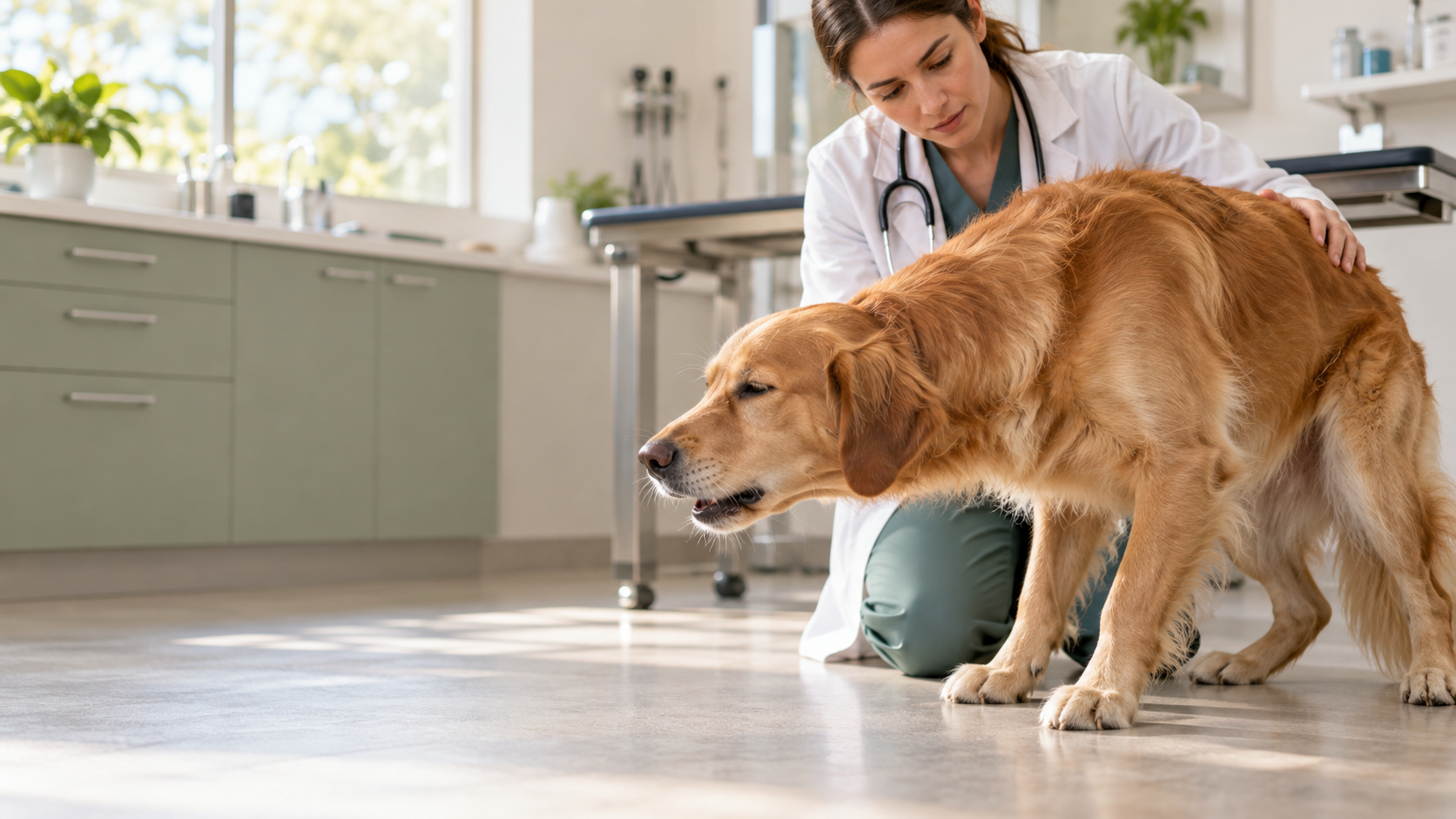
This guide is general information, not veterinary advice. Every dog is different. If your dog is coughing, is unwell, or you are unsure how serious it is, contact your veterinarian, who can examine your dog and recommend the right treatment for their specific situation.
See your vet promptly, especially for a young puppy or senior dog, if you notice any of these
- Difficulty breathing, fast breathing at rest, or breathing that looks like hard work
- Blue, gray, or pale gums, which can mean your dog is not getting enough oxygen
- Refusing food, or a clear loss of appetite alongside the cough
- Lethargy, weakness, or a dog that seems genuinely unwell rather than just coughing
- A high fever, or thick green or yellow nasal discharge
These signs can point to pneumonia or a more serious infection. Puppies, seniors, and immunocompromised dogs have less reserve and should be seen without delay.
Signs of Kennel Cough
What the illness typically looks and sounds like in a dog
A strong, persistent honking cough
The hallmark of kennel cough is a loud, dry, hacking cough that sounds like a goose honk or like something is caught in the throat. It often comes in fits, is worse with excitement or exercise, and can be set off by pressure on the windpipe from a collar. The cough can persist for days to weeks even as the dog improves overall.
A gag or retch of white foam
Coughing spells often finish with a gag or retch that brings up a little white or clear foam. Many owners mistake this for vomiting, but it is coming from the airway rather than the stomach. Recognizing it as part of the cough, not a digestive upset, helps you describe it accurately to your vet.
Otherwise bright, alert, and eating
In a typical, uncomplicated case the dog stays in good spirits between coughing fits. They greet you, wag, play, and keep eating normally. This is one of the reassuring features of mild kennel cough, and it is also what separates it from the more worrying picture of a dog that is flat, feverish, or off its food.
Mild extras: runny nose, sneezing, watery eyes
Some dogs also show a little clear nasal discharge, sneezing, or watery eyes, since kennel cough is part of the canine infectious respiratory disease complex. A small amount of clear runniness is common. Thick, colored discharge, however, is a reason to call your vet, as it can signal a secondary infection.
What Is Kennel Cough?
Kennel cough is the everyday name for a highly contagious respiratory infection in dogs, known more formally as canine infectious respiratory disease complex. Rather than a single germ, it is usually a mix of organisms working together, most often the bacterium Bordetella bronchiseptica alongside one or more viruses such as canine parainfluenza. Together they irritate and inflame the lining of the airways, which triggers the characteristic cough.
It spreads the way you would expect from the name. Wherever dogs share air and surfaces closely, the infection passes easily through coughed-out droplets and contaminated bowls, toys, and hands. Boarding kennels, doggy daycare, grooming salons, dog parks, training classes, and shelters are all common places to pick it up. A dog can be contagious before it looks sick and for a while after it seems better, which is why isolating a coughing dog matters so much.
How Long Does Kennel Cough Last?
In an otherwise healthy adult dog, kennel cough is usually self-limiting, meaning it runs its course and resolves on its own with supportive care. Most dogs recover over about one to three weeks. The worst of the coughing often eases within the first week or so, though a lingering cough can hang on a little longer even as your dog feels well again.
Recovery is not the same for every dog. Puppies, senior dogs, and those with weaker immune systems or existing health problems can take longer to shake it off and are more likely to develop complications such as pneumonia. Because a coughing dog stays contagious, keep yours away from other dogs during the illness and for a while after the cough settles, and check with your vet before returning to daycare, boarding, or the dog park.
If the cough is dragging on beyond two to three weeks, getting worse instead of better, or is joined by lethargy, fever, or a drop in appetite, it is time for a veterinary check rather than more waiting.
Mild Case or Concerning Sign?
Use this to gauge whether you can nurse your dog at home or need to call the vet. When in doubt, call.
| What you see | What it means | What to do |
|---|---|---|
| A strong, honking cough, but otherwise bright | Your dog barks out a dry, hacking cough and may retch up a little foam, yet still greets you, plays, and eats normally | Usually a mild, self-limiting case. Rest your dog, keep other dogs away, and monitor. Call your vet if it worsens or drags on past two to three weeks. |
| Coughing plus reduced appetite | The cough is joined by a dog that picks at food or skips a meal or two | Worth a vet call. A little tempting food can help, but a real loss of appetite alongside a respiratory infection deserves a check. |
| Lethargy, fever, or low energy | Your dog is flat, warm, sleeping more than usual, and not interested in normal activity | Contact your vet. These signs suggest the infection is more than a simple cough and may need treatment. |
| Fast or labored breathing, blue or pale gums | Breathing looks like hard work at rest, or the gums are pale, gray, or bluish | This is an emergency. Seek veterinary care right away, as it can signal pneumonia or a dog struggling to get enough oxygen. |
| Thick green or yellow nasal discharge | Colored discharge from the nose rather than a little clear runniness | See your vet. Colored discharge can point to a secondary infection or pneumonia that needs antibiotics. |
Home Care and Feeding During Recovery
For a mild case in an otherwise healthy dog, most of the job is comfort and rest while the infection clears. The following steps help your dog recover and reduce the chance of spreading it:
- Rest and gentle days. Cut back on hard exercise and excitement, both of which trigger coughing fits. Quiet, restful days give the airways time to settle.
- Add humidity. Moist air soothes irritated airways. Let your dog rest near a running humidifier, or sit with them in a steamy bathroom for a few minutes to ease a harsh cough.
- Swap the collar for a harness. Pressure on the windpipe from a collar and lead sets off coughing. A harness takes that pressure off the throat during walks.
- Isolate from other dogs. Keep your dog away from other dogs during the illness and for a while after, since kennel cough spreads easily and your dog stays contagious.
- Keep them eating and hydrated. Fresh water at all times matters, and a dog that keeps eating recovers better. If the cough is putting your dog off food, warming meals slightly or offering something gentle can help.
Appetite can dip a little while a dog feels rough, and that is common. If your dog is fussy but still willing to eat, a temporary bland diet for dogs can be easy to get down. To check you are offering a sensible amount as your dog gets back to normal, our dog feeding calculator gives a starting point, and the dog water intake calculator helps you judge whether your dog is drinking enough while recovering.
A genuine, ongoing refusal to eat is different from mild fussiness and is a reason to call your vet. If recovery drags on, keeping an eye on your dogs condition with the dog body condition score helps you notice weight slipping before it becomes a problem.
When to See the Vet
Many mild cases can be nursed through at home, but some dogs should always be seen rather than watched. Contact your vet if your dog is a young puppy, a senior, pregnant, or has a weakened immune system or an existing heart or lung condition, since these dogs are more likely to become seriously ill.
For any dog, treat the following as signs to call the vet rather than keep waiting:
- Fast, labored, or difficult breathing, or gums that look pale, gray, or bluish
- Lethargy, weakness, or a dog that seems flat and genuinely unwell
- A high temperature, or loss of appetite and refusing food
- Thick green or yellow nasal discharge, rather than a little clear runniness
- A cough that is worsening, or one that has not improved after two to three weeks
Several of these together can point to pneumonia, a serious complication where the infection reaches the lungs. It needs prompt veterinary treatment, so it is far better to have your dog checked and reassured than to wait and see. Your vet may prescribe a cough suppressant to ease an exhausting cough, or antibiotics if a bacterial cause is suspected.
Prevention and the Bordetella Vaccine
Because kennel cough spreads so easily wherever dogs mix, the most effective prevention is a combination of vaccination and sensible habits. The Bordetella vaccine targets one of the main bacterial causes and comes as an injection, an intranasal spray, or an oral form. It is exactly why so many boarding kennels, daycares, groomers, and training classes ask for proof of it before your dog can attend.
No vaccine covers every organism in the canine infectious respiratory disease complex, so a vaccinated dog can still catch a milder version. What the vaccine does well is lower the chance of infection and reduce how severe it is if your dog does pick it up. Ask your vet whether it suits your dogs lifestyle, and how often it should be boosted, as dogs that board, compete, or socialize a lot usually benefit most.
Alongside vaccination, simple steps go a long way. Keep a coughing dog away from others, avoid crowded dog spaces during local outbreaks, do not share bowls or toys between dogs, and wash your hands and clean shared items when a dog has been unwell. A well-nourished dog in good condition also copes better with infection, and our dog weight calculator can help you keep track of a healthy weight as part of overall care.
Frequently Asked Questions About Kennel Cough in Dogs
Common questions about the cough, how long it lasts, treatment, and vaccination
What does kennel cough sound like?
The classic kennel cough is a loud, dry, honking cough that many owners describe as a goose honk or as if something is stuck in the dogs throat. It often ends in a gag or a retch that brings up a little white foam, which people frequently mistake for vomiting. Coughing tends to be worse with excitement, exercise, or pressure on the throat from a collar. A dog with kennel cough is usually otherwise bright, alert, and still eating.
How long does kennel cough last in dogs?
In an otherwise healthy adult dog, kennel cough is usually self-limiting and clears in about one to three weeks, with the worst of the coughing often easing within the first week or so. Puppies, senior dogs, and those with other health problems can take longer and are more likely to develop complications. If the cough is not improving after two to three weeks, is getting worse, or is joined by lethargy, fever, or loss of appetite, contact your vet.
Can a dog with kennel cough still eat and play normally?
In a mild case, yes. One of the reassuring features of uncomplicated kennel cough is that the dog stays bright, keeps eating, and still wants to play, even though the cough sounds dramatic. That said, rest matters during recovery, so keep activity gentle and avoid anything that triggers long coughing fits. A dog that goes off its food, becomes withdrawn, or seems genuinely unwell has moved beyond a simple cough and should be seen by a vet.
How is kennel cough treated?
Most healthy dogs recover with rest and supportive home care rather than medication, since the infection is often viral and runs its course. Your vet may prescribe a cough suppressant to ease a harsh, exhausting cough, and antibiotics if a bacterial cause like Bordetella or a secondary infection is suspected. During recovery, keep your dog rested, well hydrated, and eating, use a harness instead of a collar, and keep them away from other dogs. Puppies, seniors, and unwell dogs should always be seen rather than treated at home.
Is there a vaccine for kennel cough?
Yes. The Bordetella vaccine targets one of the main bacterial causes of kennel cough and is available as an injection, an intranasal spray, or an oral form. Many boarding kennels, daycares, groomers, and training classes require it. It does not cover every organism in the canine infectious respiratory disease complex, so a vaccinated dog can still catch a milder version, but vaccination lowers the risk and severity. Ask your vet whether it fits your dogs lifestyle and how often to boost it.
Explore More Dog Health Guides
Understand your dog's symptoms and know when to call the vet.
Free dog printables
Keep these dog care guides handy
A rotating selection of practical dog guides chosen from our free printable library.Dog Body Condition Chart
A printable 1–9 body condition reference.
Dog Pregnancy Timeline
A week-by-week whelping calendar and checklist.
Dog Budget Checklist
Plan monthly, annual, and one-time dog costs.