
Last updated: October 3, 2026
Grief by Pet Type
Do Dogs Grieve?
If your dog seems lost after the death of a companion or a person they loved, you are not imagining it. This gentle guide explains grief in dogs and how to help.

Watching your dog grieve while you grieve too can be heartbreaking. The good news is that steady routines, patience, and gentle comfort help most dogs through the change.
Yes, dogs can grieve
Dogs are deeply social animals who form strong attachments to their people and to the other animals they live with. When a bonded companion or a beloved person is gone, many dogs show clear changes in behavior, from searching and waiting to eating less and withdrawing. Veterinary behaviorists widely recognize these as grief-like responses.
We cannot know exactly what a dog feels, but we can see that loss affects them. Your dog is not being difficult or simply reacting to your own sadness, though they do sense that too. They are responding to the absence of a companion who mattered to them, and they need patience and support just as you do.
Signs of grief in dogs
Searching and waiting
A grieving dog may search the house, wait by a door, or return to a companion's favorite spot, looking for the friend or person who is no longer there.
Changes in appetite
Many dogs eat less after a loss, or lose interest in food and treats for a time. A dog that stops eating for more than a day or two should be seen by a veterinarian.
Low energy or withdrawal
Grief can show up as sleeping more, seeming listless, or losing interest in play and walks. A once-lively dog may become quiet and subdued.
Clinginess or vocalizing
Some dogs become more clingy, anxious, or vocal, whining, howling, or following you closely as they seek reassurance in a changed home.
How to help a grieving dog
Keep routines steady
Predictable feeding, walks, and bedtimes give a grieving dog a sense of security while everything else feels different. Familiar structure is deeply reassuring.
Offer comfort without reinforcing anxiety
Gentle attention, calm company, and reassurance help. Try to stay relaxed yourself, since dogs pick up on and mirror your emotional state.
Encourage gentle activity
Short walks, light play, and mental enrichment can lift a low mood and help your dog re-engage with the world at their own pace.
Watch for warning signs
If low appetite, lethargy, or distress lasts beyond a couple of weeks, or your dog stops eating or drinking, contact your veterinarian to rule out illness and get support.
Support for you and your dog
For practical, step-by-step help as your dog adjusts to a changed home, see our guide on helping your surviving pet adjust. If you are grieving the same companion, our guide on losing a dog is here for you too.
You can also explore grief guides for every kind of pet, or return to our full pet loss and grief resources whenever you need them.
This guide offers general information and is not a substitute for advice from your veterinarian.
Do Dogs Grieve: Common Questions
Gentle answers to the questions that come up most.
Do dogs actually grieve?
Dogs commonly show behavioral changes after the loss of a companion animal or a person they were bonded to, such as searching, reduced appetite, low energy, or increased clinginess. Veterinary behaviorists widely recognize these as grief-like responses. While we cannot know exactly what a dog feels, their behavior clearly shows that loss affects them and that they experience the absence of a bonded companion.
How long does grief last in dogs?
It varies from dog to dog. Many dogs begin to settle within a few weeks as they adjust to the change, while some take longer. Keeping routines steady and offering gentle support usually helps them recover. If grief-like behavior is severe or lasts more than a few weeks, a veterinary check is wise to rule out an underlying medical issue.
Should I let my dog see the body of a companion who died?
Some owners and behaviorists find that allowing a dog a calm moment with a deceased companion can reduce searching and confusion, as it may help the dog understand the companion is gone. Every dog is different, so keep the moment brief and gentle. Whether or not this is possible, steady routines and reassurance are what help most in the days that follow.
How can I help my grieving dog?
Keep daily routines consistent, offer calm attention and companionship, and encourage gentle exercise and enrichment. Stay relaxed yourself, since dogs mirror your mood. Avoid making big changes at once, and give your dog time to adjust. If they stop eating, seem very withdrawn, or do not improve over a couple of weeks, consult your veterinarian.
Can getting another dog help my grieving dog?
Sometimes, but not always, and timing matters. A grieving dog may not be ready to bond with a new companion right away, and a new dog can add stress if introduced too soon. Focus first on supporting your dog through their grief. If you do consider another dog later, introduce them slowly and let your dog set the pace.
Help your dog through the change
Explore related guides and caring resources whenever you are ready.
Free printable support
Choose the resource that helps today
Each book is a free, 10-page A4 PDF designed to print and complete by hand.Pet Grief Journal
Ten gentle pages for memories, grief waves, letters, support, and carrying the bond forward.
Complete Pet Loss Guide
Compassionate guidance for grief reactions, children, surviving pets, aftercare, and support.
What to Do After a Pet Dies
A calm checklist for the first hours, provider questions, aftercare, records, and memorial choices.
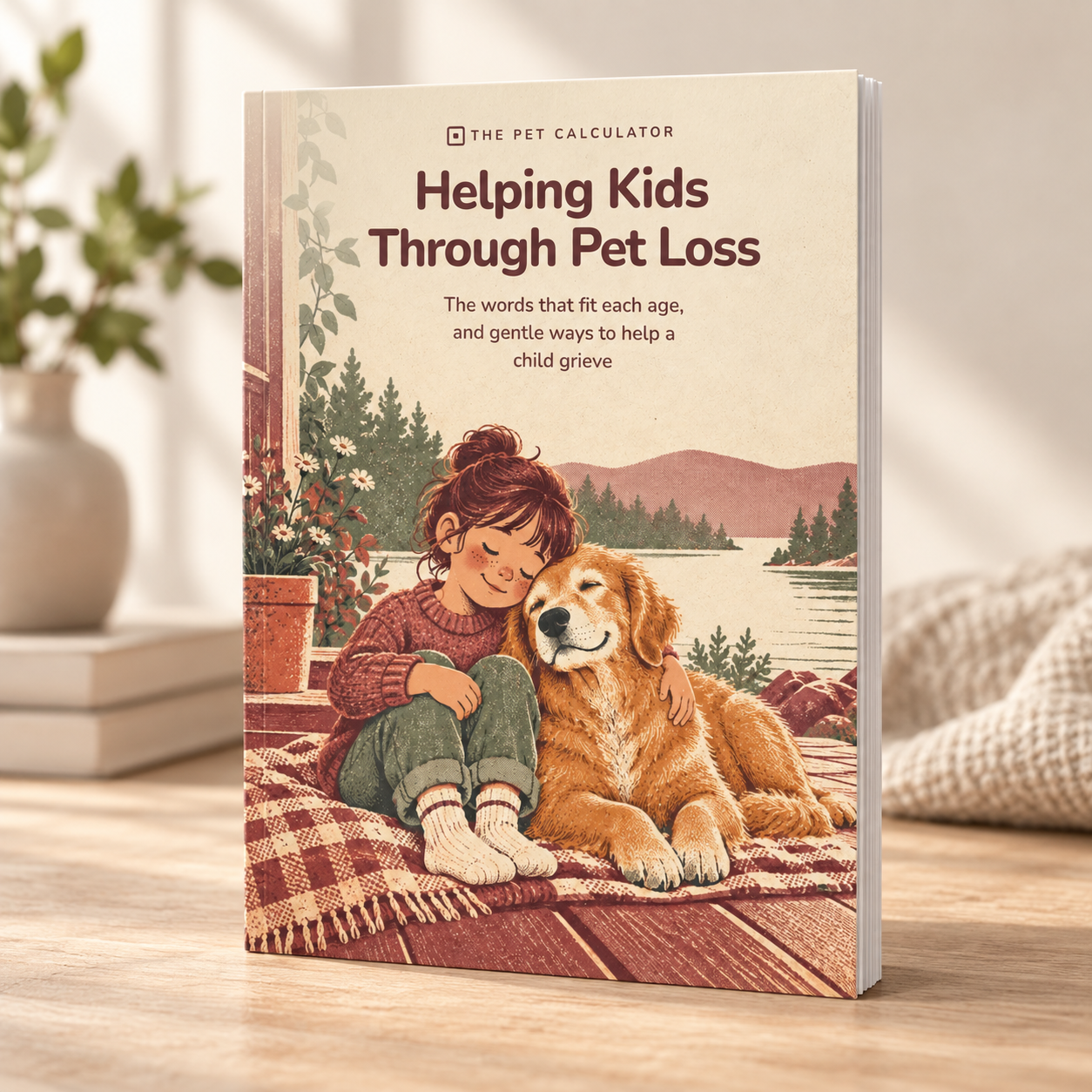
Printable companion · Printable PDF
Helping Kids Through Pet Loss
A gentle memory book for children and families.
A draw-and-write keepsake that helps children remember a beloved pet, express difficult feelings, and move through grief at their own pace.