
Last updated: October 3, 2026
Grief by Pet Type
Helping Your Surviving Pet Adjust
When one pet dies, the companions left behind often feel the loss too. This gentle guide offers practical ways to help a surviving dog, cat, or small pet adjust.
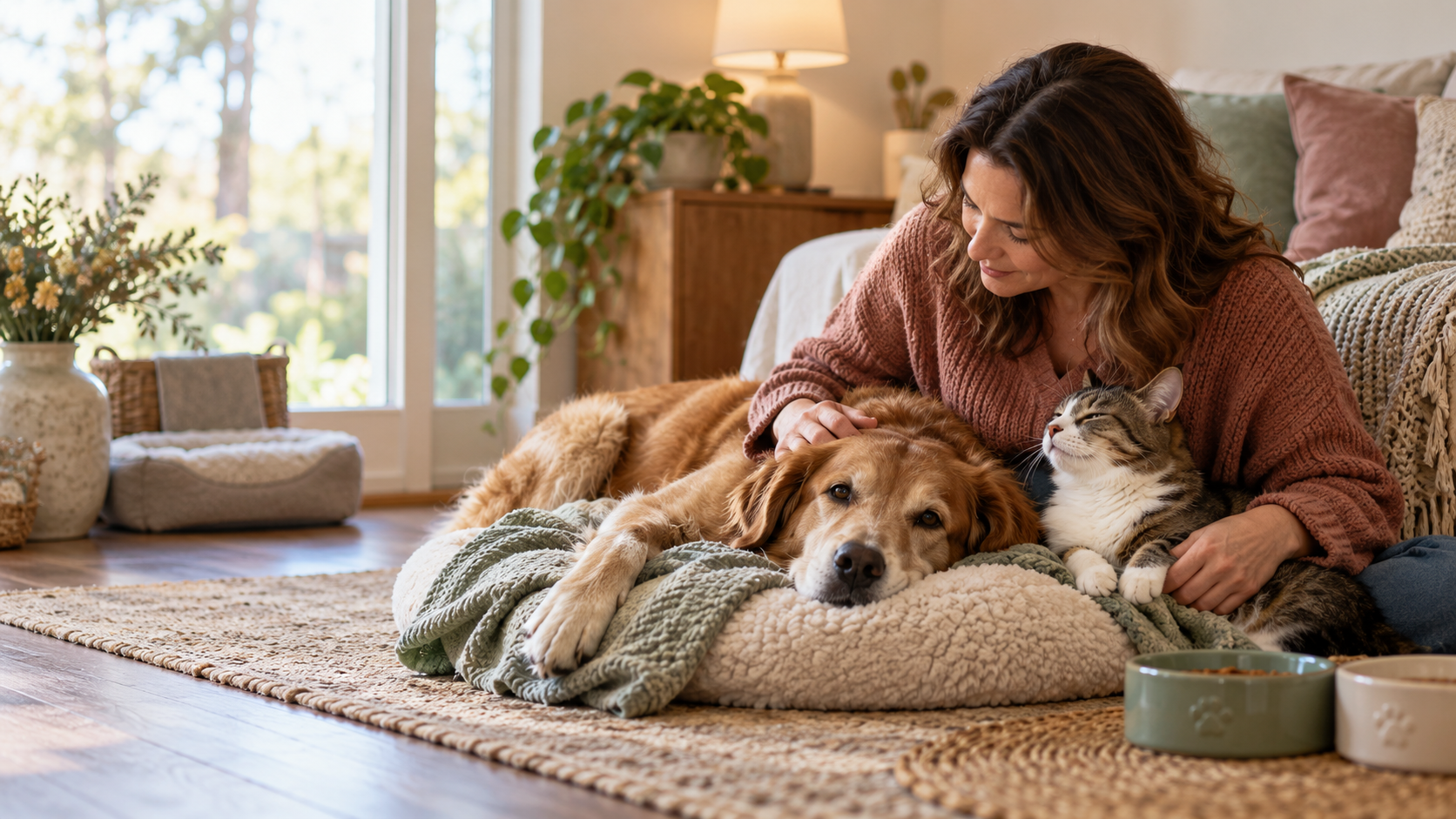
Caring for a grieving pet while you grieve too is a lot to carry. Steady routines, patience, and gentle comfort help most animals through this change, and you are doing a loving thing by looking out for them.
The companion left behind
Pets who share a home often form close bonds, and when one dies, the survivor usually notices. Dogs, cats, rabbits, guinea pigs, birds, and many other animals can show grief-like changes after losing a companion, from searching and restlessness to eating less and seeming withdrawn. On top of their own confusion, they also sense the sadness in the household.
The good news is that most pets adjust with time, patience, and support. Keeping their world as steady as possible, and watching their health closely, gives them the security they need while everything feels different. Helping them through it can be a gentle comfort to you as well.
Signs a surviving pet is struggling
Searching and restlessness
A surviving pet may look for their companion, wait in shared spots, or seem restless and unsettled as they notice the absence in the home.
Eating and sleeping changes
Reduced appetite, disrupted sleep, or low energy are common. Appetite loss matters most in cats and small pets, who can become ill quickly if they stop eating.
Clinginess or withdrawal
Some pets seek extra closeness and reassurance, while others become quiet or withdrawn. Both are normal ways of responding to a changed household.
How to help them adjust
Hold routines steady
Keep feeding, walks, play, and bedtimes as consistent as you can. Familiar structure is one of the most reassuring things for a pet adjusting to a loss.
Give calm reassurance
Offer gentle attention and company, and try to stay relaxed yourself, since animals pick up on your emotions. Let a withdrawn pet come to you rather than forcing interaction.
Watch eating and health closely
Monitor appetite and behavior. Contact your veterinarian if a cat or small pet stops eating, if any pet seems unwell, or if distress does not ease over a couple of weeks.
Wait before adding a new pet
Do not rush to bring in a new companion. Let your surviving pet settle first, and consider a new animal only later, introduced slowly and at your pet's pace.
Learn more about pet grief
To understand what your surviving pet may be going through, see our guides on whether dogs grieve and whether cats grieve. If you are grieving the pet you lost, our guides for every kind of pet are here for you too.
You can also return to our full pet loss and grief resources for support with your own grief whenever you need it.
This guide offers general information and is not a substitute for advice from your veterinarian.
Helping a Surviving Pet: Common Questions
Gentle answers to the questions that come up most.
Do surviving pets really notice when another pet dies?
Yes. Pets that live together often form bonds, and the survivor commonly notices the absence of a companion. Many show behavioral changes such as searching, calling, reduced appetite, low energy, or clinginess. These grief-like responses are widely recognized by veterinarians, so if your surviving pet seems affected, you are not imagining it.
How can I help my surviving pet adjust?
Keep daily routines as consistent as possible, offer calm reassurance and companionship, and maintain a stable environment. Stay relaxed yourself, since pets mirror your mood, and avoid making big changes all at once. Give your pet time to settle, and watch their eating and behavior closely so you can act if anything seems wrong.
Should I let my surviving pet see the body of their companion?
Some owners and behaviorists find that allowing a surviving pet a brief, calm moment with a deceased companion can reduce searching and confusion, as it may help them register that the companion is gone. Every animal is different, so keep it gentle and do not force it. Steady routines and reassurance are what help most, whether or not this is possible.
When should I worry about my surviving pet?
Contact your veterinarian if a cat or small pet stops eating, since they can become seriously ill quickly, or if any pet shows lasting appetite loss, lethargy, or distress that does not improve over a couple of weeks. A vet visit can rule out an underlying medical problem and offer guidance for a pet who is struggling to adjust.
Should I get a new pet to keep my surviving pet company?
Not right away. A grieving or adjusting pet may find a new arrival stressful rather than comforting, and the timing and introduction matter a great deal. Focus first on supporting your surviving pet and keeping their world stable. If you decide to add a companion later, introduce them slowly and let your existing pet set the pace.
Support every member of your family
Explore related guides and caring resources whenever you are ready.
Free printable support
Choose the resource that helps today
Each book is a free, 10-page A4 PDF designed to print and complete by hand.Pet Grief Journal
Ten gentle pages for memories, grief waves, letters, support, and carrying the bond forward.
Complete Pet Loss Guide
Compassionate guidance for grief reactions, children, surviving pets, aftercare, and support.
What to Do After a Pet Dies
A calm checklist for the first hours, provider questions, aftercare, records, and memorial choices.
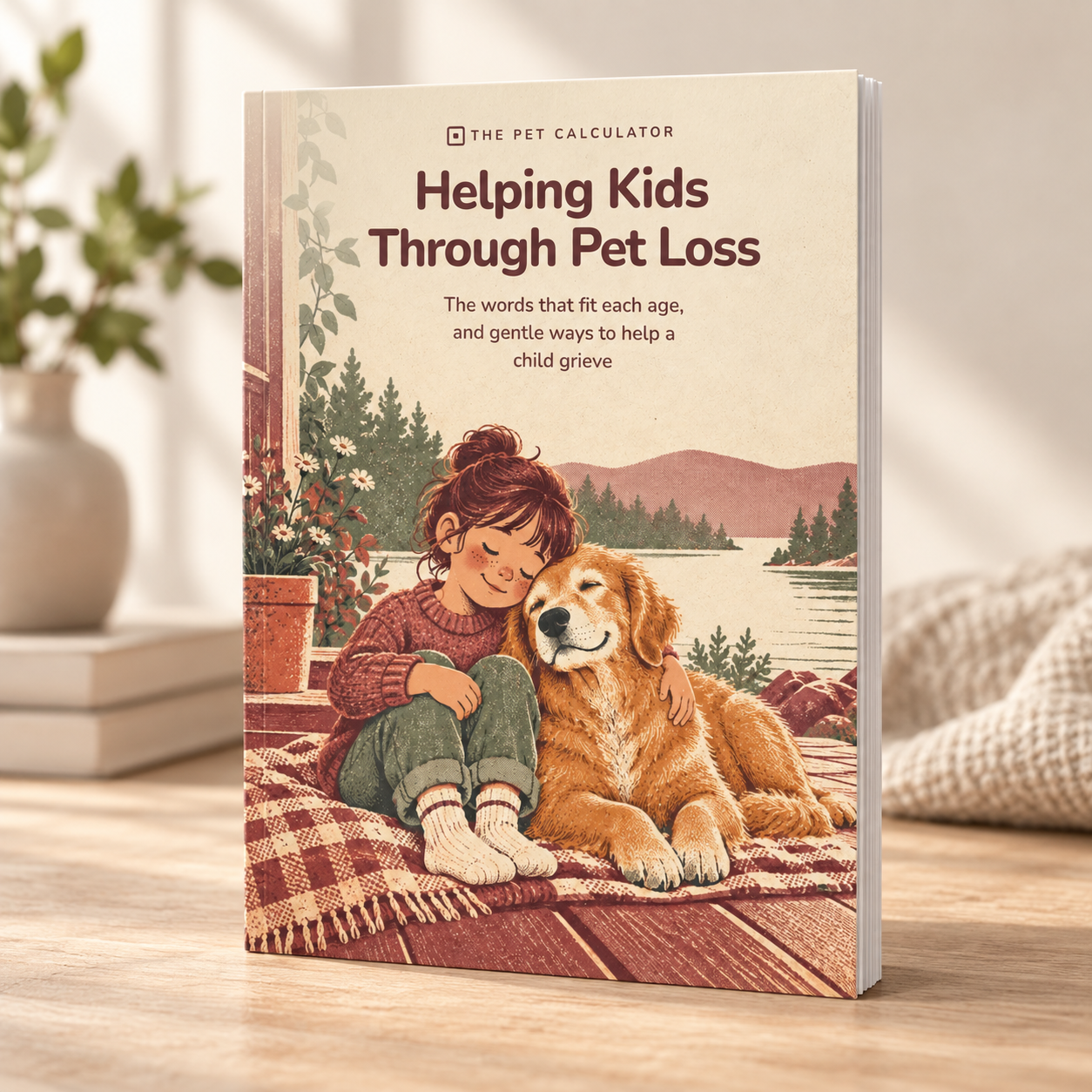
Printable companion · Printable PDF
Helping Kids Through Pet Loss
A gentle memory book for children and families.
A draw-and-write keepsake that helps children remember a beloved pet, express difficult feelings, and move through grief at their own pace.