
Last updated: October 3, 2026
Euthanasia & Saying Goodbye
How to Prepare for Your Pet's Death
Knowing the goodbye is coming is its own kind of heartbreak. Preparing, a little emotionally and a little practically, will not make it painless, but it can spare you some of the hardest decisions in the hardest moment.

There is no way to be fully ready to lose a companion, and you do not need to be. Take what helps from this guide and leave the rest. Preparing is simply a way of being kind to your future self, and to your pet.
Let yourself begin grieving now
If you already feel sad while your pet is still here, you are not being morbid or giving up. This is anticipatory grief, the mourning that begins before the goodbye does, and it is one of the most natural responses to a terminal diagnosis or a slow decline. It can arrive as waves of sadness in ordinary moments, a tightness when you notice them sleeping more, or a bittersweet tenderness that makes small things feel precious.
Feeling this grief now does not use up what you will feel later, and it does not mean you love them any less. Often it is love bracing itself. Letting it move through you, rather than pushing it away, can help you stay present for the time that remains. Our guide to anticipatory grief explores this more gently.
Decisions worth making in advance
The kindest thing you can do for the version of you in that final moment is to make a few choices calmly, ahead of time. When the day comes, grief makes clear thinking almost impossible, and decisions made in advance become quiet gifts to yourself.
Talk with your vet about what the coming days may look like and what signs would suggest it is time. A structured quality of life assessment can help you see clearly through the fog of love and fear, and our guide on knowing when it is time can steady a decision that has no perfect answer.
Decide, gently, whether you would prefer to say goodbye at the clinic or through in-home euthanasia, and read about what to expect during the process so nothing takes you by surprise. Choosing an aftercare option in advance, such as burial or cremation, means you will not have to decide in the rawest moment.
Making the time you have left count
In the days that remain, let comfort and closeness matter more than anything else. Offer favorite foods even if they are not the healthiest, keep them warm and near you, and let them rest without pressure to be active. Small rituals carry weight: a slow last visit to a favorite spot, extra time in the sun, a quiet evening on the couch together.
This is also a tender time to gather keepsakes while you can, a paw print, a clipping of fur, a few new photos or a short video of them being themselves. Many people find these small mementos become deeply precious later. Above all, let them feel your calm. Your steady presence is one of the greatest comforts you can offer.
Preparing children and other pets
If children are part of your family, prepare them with honest, simple, age-appropriate words, and avoid confusing phrases like "put to sleep." Tell them the pet is very sick and will die, that it is nobody’s fault, and that all their feelings are welcome. Our guides on explaining pet death to a child and children and euthanasia offer specific language.
Other animals in the home often sense when a companion is unwell and may grieve afterward. Keep their routines steady, offer extra attention, and watch for changes in appetite or behavior in the weeks that follow. Our guide on helping a surviving pet adjust can help.
A gentle preparation checklist
- Talk with your vet about what to expect in the days and weeks ahead, and what signs would mean it is time.
- Decide, gently and in advance, whether you prefer euthanasia at the clinic or at home.
- Choose an aftercare option, such as burial or cremation, so you are not deciding in the rawest moment.
- Think about who you want present, including whether children or other pets will be there.
- Plan a few small comforts for their last days: favorite foods, soft blankets, a sunny spot, gentle company.
- Consider a keepsake, such as a paw print, a clipping of fur, or a favorite photo, while there is still time.
- Line up support for yourself, a person to call or drive you, so you are not carrying the day alone.
Preparing for a Pet's Death: Common Questions
Gentle, honest answers for one of the hardest seasons of pet ownership.
How do I prepare for my dog or cat dying?
Preparing has two sides, emotional and practical, and doing a little of each eases the days ahead. Emotionally, let yourself begin grieving now; the sadness you feel while they are still here is normal and is called anticipatory grief. Practically, talk with your vet about what to expect, decide in advance whether you would prefer euthanasia at home or the clinic, and choose an aftercare option like burial or cremation before the rawest moment arrives. Making these choices calmly, ahead of time, means fewer painful decisions when you are least able to think clearly.
Should I prepare my other pets for a pet dying?
Animals often sense when a companion is unwell and may grieve after a loss. There is no way to explain death to them, but you can help them adjust. Some vets suggest allowing surviving pets to see and smell their companion’s body after death, which may reduce searching behavior, though evidence is mixed and it is a personal choice. After the loss, keep routines steady, offer extra attention, and watch for changes in appetite or activity. Our guide on helping a surviving pet adjust covers this in more detail.
What should I do in my pet’s final days?
Focus on comfort and connection rather than trying to fix what cannot be fixed. Offer favorite foods even if they are not the healthiest, keep them warm and near you, and let them rest without pressure to be active. Small rituals matter: a slow last visit to a favorite spot, extra time in the sun, a quiet evening together. Take photos and consider a keepsake like a paw print. Above all, let them feel your calm presence. Your steadiness is one of the greatest comforts you can give.
How do I prepare a child for a pet’s death?
Use honest, simple, age-appropriate language, and avoid confusing phrases like "put to sleep," which can frighten young children about sleep or surgery. Tell them the pet is very sick and will die, that it is not anyone’s fault, and that all their feelings are okay. Give them a chance to say goodbye if they want one, and let them help with a small memorial afterward. Our guides on explaining pet death to a child and children and euthanasia offer specific words and approaches.
Is it normal to grieve before my pet has died?
Yes. Grieving a pet who is still alive is called anticipatory grief, and it is a natural response to knowing the goodbye is coming. It can bring sadness, anxiety, guilt, or a bittersweet tenderness in ordinary moments. This grief does not mean you are giving up on them or loving them any less; often it is love bracing itself. Letting yourself feel it now can make the time you have left more present, and it does not use up the grief you will feel later. Our guide to anticipatory grief explores this gently.
You do not have to face this alone
Compassionate guidance for the decision, the goodbye, and the grief that follows.
Free printable support
Choose the resource that helps today
Each book is a free, 10-page A4 PDF designed to print and complete by hand.Pet Grief Journal
Ten gentle pages for memories, grief waves, letters, support, and carrying the bond forward.
Complete Pet Loss Guide
Compassionate guidance for grief reactions, children, surviving pets, aftercare, and support.
What to Do After a Pet Dies
A calm checklist for the first hours, provider questions, aftercare, records, and memorial choices.
Printable companion · Printable PDF
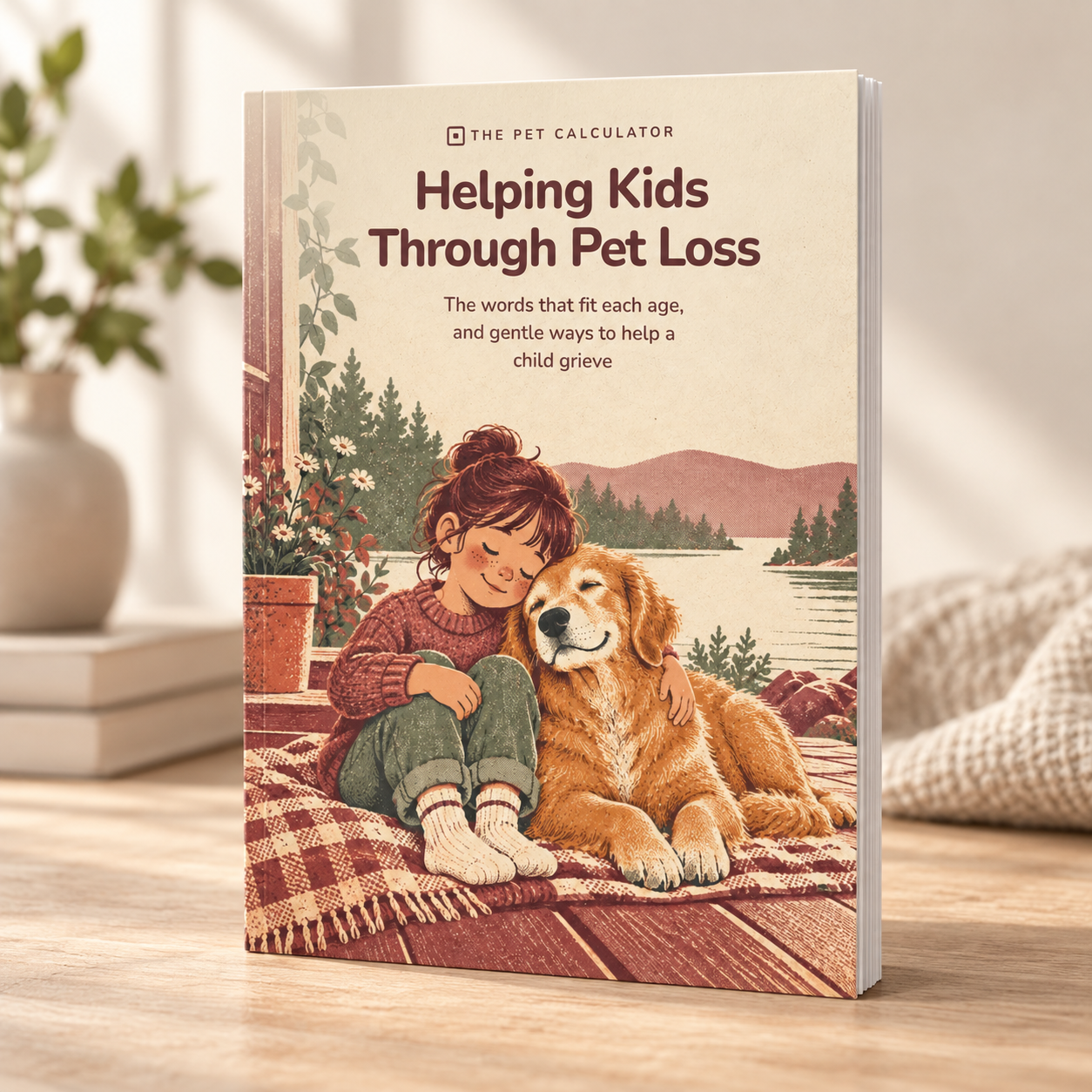
Helping Kids Through Pet Loss
A gentle memory book for children and families.
A draw-and-write keepsake that helps children remember a beloved pet, express difficult feelings, and move through grief at their own pace.