
Last updated: October 3, 2026
Cat Health
Why Is My Cat Losing Weight?
Unexplained weight loss is one of the most important early warning signs in cats, and it is easy to miss because it happens slowly. Here is how to spot it, what tends to cause it, and when it is a reason to call your vet.
This guide is general information, not veterinary advice. Every cat is different. If your cat is unwell or you are worried, contact your veterinarian, who can examine your cat and give advice for their specific situation.
Call your vet or an emergency clinic now if your cat has any of these
- Rapid weight loss along with marked lethargy or weakness
- Repeated vomiting, or vomiting with weight loss and low energy
- Not eating at all for more than a day, or refusing food while looking unwell
- Collapse, hiding, laboured breathing, or a sudden severe change in behaviour
A cat that stops eating can become seriously ill quickly, so these signs cannot wait for a routine appointment.
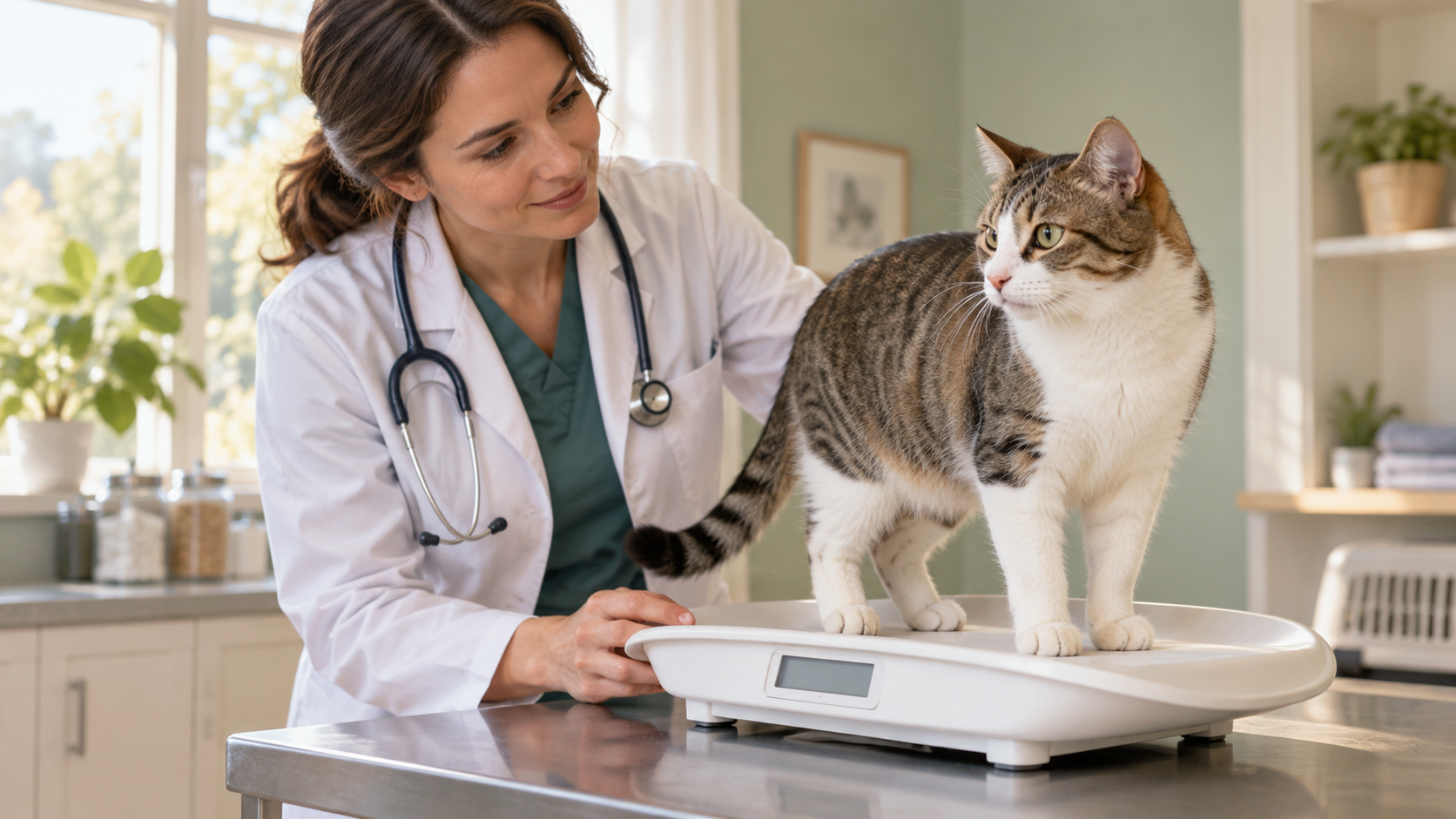
Common Causes of Weight Loss in Cats
What tends to be behind unexplained weight loss, from common to serious
Hyperthyroidism, diabetes, and malabsorption
These are the classic causes of a cat that is eating well, even eating more, yet still losing weight. Hyperthyroidism speeds up the metabolism, diabetes stops the body using sugar properly, and malabsorption or digestive disease means food is eaten but not absorbed. All three are diagnosed with veterinary blood work.
Chronic kidney disease
Kidney disease is common in older cats and often causes gradual weight loss along with increased thirst and urination, a reduced appetite, and low energy. It is diagnosed with blood and urine tests, and catching it early through routine senior screening usually leads to better long-term management.
Dental pain and reduced eating
Painful teeth or gums can make a cat want to eat but struggle to, so they drop food, chew on one side, drool, or eat less overall. Over time this leads to weight loss. A dental exam can find the problem, and treating it often restores a normal appetite.
Parasites, cancer, and stress
Intestinal parasites can rob a cat of nutrition, cancer can cause steady weight loss, and stress or anxiety can reduce how much a cat eats. These have very different treatments, so they need veterinary diagnosis rather than guesswork at home.
Cause, What It Looks Like, and What to Do
Use this as a starting point, not a diagnosis. Your vet can confirm the cause with an exam and blood work.
| Possible cause | What it often looks like | What to do |
|---|---|---|
| Hyperthyroidism | Weight loss despite a good or increased appetite, sometimes with restlessness, increased thirst, or a poor coat | Common in older cats. Needs veterinary blood work to diagnose and treat. |
| Diabetes | Weight loss with a strong appetite, drinking a lot, and urinating more than usual | Needs veterinary testing. Untreated diabetes can become an emergency, so do not wait. |
| Malabsorption or digestive disease | Eating normally or more, yet losing weight, sometimes with vomiting, diarrhea, or soft stools | Requires a veterinary work-up to find the cause and guide treatment. |
| Chronic kidney disease | Gradual weight loss, increased thirst and urination, reduced appetite, and low energy | Common in senior cats. Early diagnosis through blood and urine tests helps management. |
| Dental pain | Wanting to eat but dropping food, chewing on one side, drooling, or bad breath | A dental exam can find painful teeth or gums that limit how much a cat eats. |
| Parasites or cancer | Steady weight loss, sometimes with reduced energy or other changes | Both need veterinary testing to diagnose. Do not try to treat at home. |
Eating Well but Still Losing Weight
One of the most telling patterns is a cat that is eating normally, or even eating more than usual, and still losing weight. This combination usually points to a condition that changes how the body uses or absorbs food rather than a simple lack of appetite. The three to think about first are hyperthyroidism, diabetes, and a malabsorption or digestive problem.
If the weight loss comes with drinking and urinating more than usual, that shifts suspicion toward diabetes, chronic kidney disease, or hyperthyroidism, which are all common in older cats. None of these can be diagnosed by watching at home, and all of them are found with a simple set of blood and urine tests, so this pattern is a clear reason to book a veterinary appointment.
Why Weighing at Home Matters
Owners often miss weight loss because it is gradual, and cats are small enough that a serious change looks minor day to day. A simple rule helps: any unexplained loss of more than about 10 percent of body weight, or a steady loss over several weeks, is a reason to see your vet for blood work. For a 10 pound cat, 10 percent is only one pound, which is easy to overlook by eye.
Weighing your cat regularly on the same scale, and writing the numbers down, is the most reliable way to catch a downward trend early. A body condition check helps too. You can track this over time with our cat BMI calculator, and if you have an older cat, our guide to senior cat weight explains what healthy aging should and should not look like.
When to See a Vet
Book a veterinary appointment for any unexplained weight loss, especially a loss of more than about 10 percent of body weight or a steady decline over weeks. Do not wait to see if it turns around on its own, because many of the causes are easier to manage when they are found early. Your vet will usually start with a physical exam, weight and body condition check, and blood and urine tests.
The three causes worth reading up on first are hyperthyroidism, diabetes, and chronic kidney disease. For the emergency signs listed at the top of this page, such as rapid weight loss with lethargy, vomiting, or not eating, do not wait for a routine appointment.
Frequently Asked Questions About Cat Weight Loss
Common questions about why cats lose weight and when it is serious
Why is my cat losing weight?
Unexplained weight loss is one of the most important early warning signs in cats, and it has many possible causes. Common ones include hyperthyroidism, diabetes, digestive or malabsorption problems, chronic kidney disease, dental pain, parasites, cancer, and stress. Because the same symptom can come from very different conditions, a cat that is losing weight for no clear reason should be seen by a vet for a physical exam and blood work.
Cat losing weight but eating more, why?
A cat that is eating well, or even eating more, yet still losing weight is a classic pattern that points to a few specific conditions. Hyperthyroidism speeds up the metabolism so the body burns through calories, diabetes stops the body using sugar properly, and malabsorption or digestive disease means food is eaten but not absorbed. All three are diagnosed with veterinary blood work, so this combination is a clear reason to book an appointment.
How much weight loss is concerning in a cat?
A useful rule of thumb is that any unexplained loss of more than about 10 percent of body weight, or a steady loss over several weeks, is a reason to see your vet for blood work. For a 10 pound cat, that is only about a pound, which is easy to miss by eye. Because cats are small and lose weight gradually, weighing at home helps you catch a downward trend early rather than after it becomes obvious.
Why is my cat losing weight and drinking a lot?
Weight loss combined with drinking and urinating more than usual is a pattern often linked to diabetes, chronic kidney disease, or hyperthyroidism. These are common in older cats and are all diagnosed with blood and urine tests. This combination should not be left to see if it settles, because early diagnosis usually leads to better management, so contact your vet.
How can I tell if my cat is losing weight?
Because weight loss is gradual, the best way to catch it is to weigh your cat regularly, ideally on the same scale, and write the numbers down. You can also feel along the ribs, spine, and hips, which become easier to feel as a cat loses body condition. A body condition score and our cat resources can help, but any downward trend or new bony feel is worth mentioning to your vet.
Explore More Cat Health Guides
Understand your cat's symptoms and know when to call the vet.
Free cat printables
Keep these cat care guides handy
A rotating selection of practical cat guides chosen from our free printable library.Cat Pregnancy Timeline
A week-by-week kittening calendar and checklist.
Cat Body Condition Chart
A printable body condition reference for cats.
Cat Feeding Guide
Portions by weight, age, and life stage.